
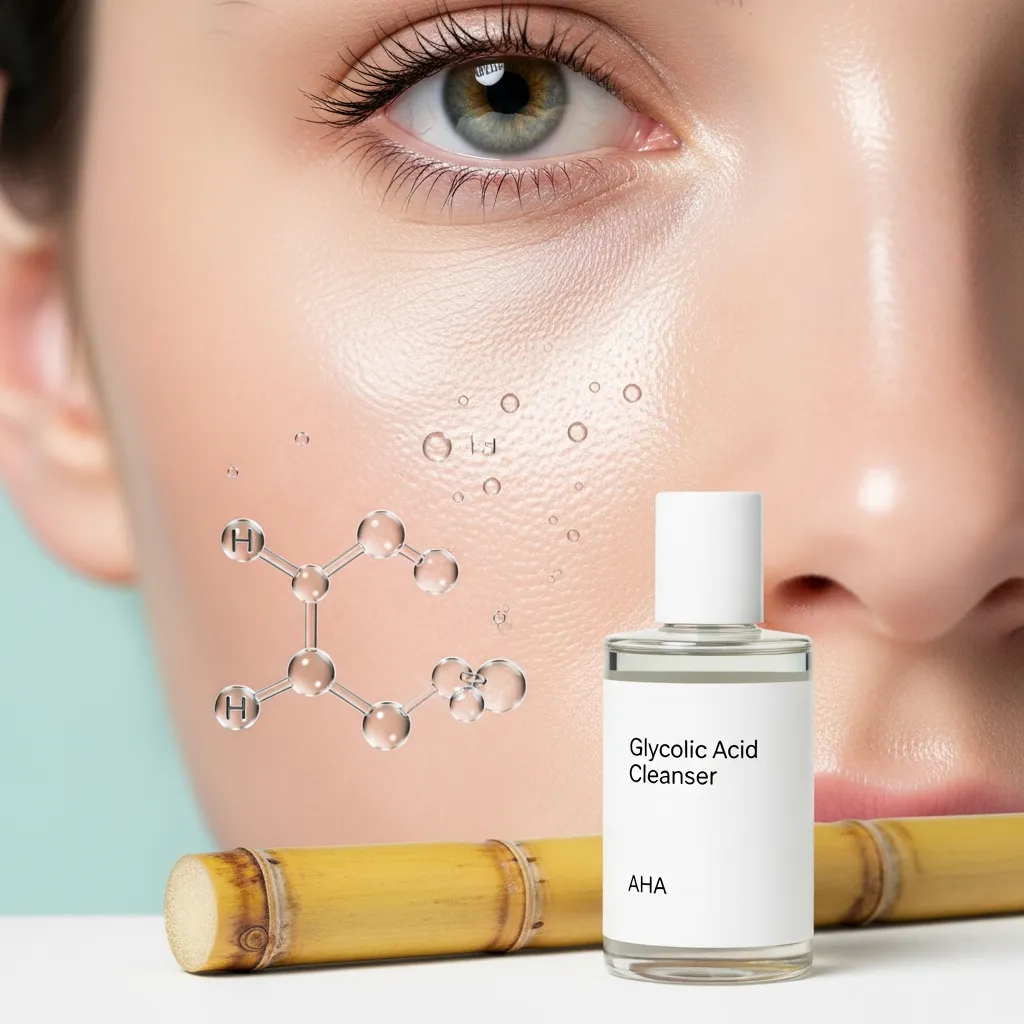
If you’ve been scrolling through skincare forums or watching beauty tutorials lately, you’ve probably heard the buzz about glycolic acid. This powerhouse ingredient has taken the skincare world by storm, and for good reason. But with so many products on the market, understanding how to use a face wash with glycolic acid can feel overwhelming. Let me walk you through everything you need to know about this game-changing skincare ingredient.
Cetaphil Moisturizing Lotion: Comprehensive Review and Personal Insights
What is Herbal Cosmetics: Your Complete Guide to Nature’s Beauty Secret
My Honest Review: JiYu Toning Polish Pads Transformed My Skin
What Exactly Is Glycolic Acid?
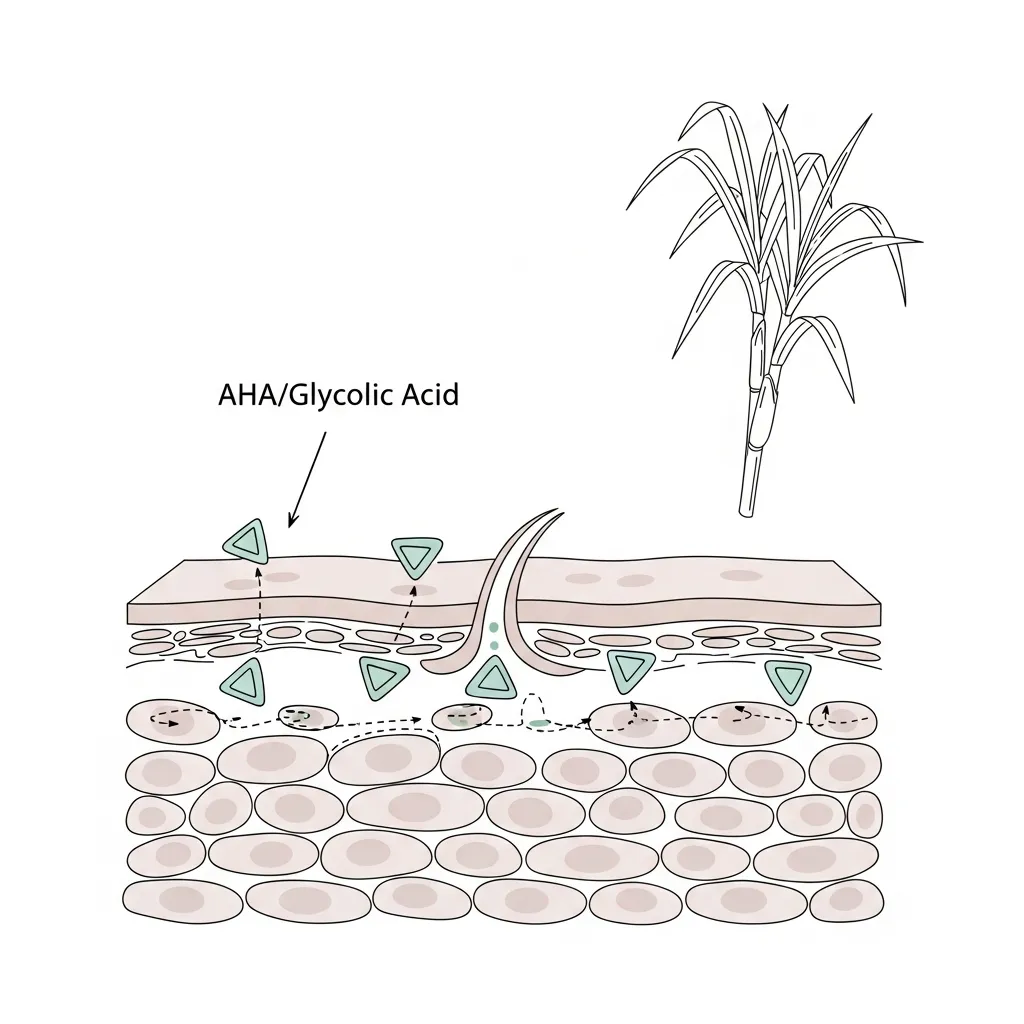
Before we dive into face washes, let’s talk about what glycolic acid actually is. Glycolic acid is an alpha hydroxy acid (AHA) derived from sugar cane. It’s the smallest molecule in the AHA family, which means it can penetrate your skin more deeply than other acids. Think of it as the overachiever of the skincare world—small but mighty.
Unlike physical exfoliants that scrub away dead skin, glycolic acid works chemically. It dissolves the bonds that hold dead skin cells together, allowing them to be swept away more easily. The result? Brighter, smoother, more radiant skin that actually looks like you’ve had a professional treatment.
Why Choose a Glycolic Acid Face Wash?
You might be wondering why you should opt for a face wash with glycolic acid instead of serums or peels. Here’s the thing: face washes offer a gentler introduction to glycolic acid for those new to chemical exfoliation. Since the product is rinsed off after a short contact time, it’s less likely to cause irritation compared to leave-on treatments.
A glycolic acid face wash serves multiple purposes. It cleanses your skin of dirt, oil, and makeup while simultaneously providing gentle exfoliation. This dual action makes it an efficient addition to any skincare routine, especially for busy people who want maximum results with minimal steps.
The Incredible Benefits You Can Expect
Smoother, More Refined Texture
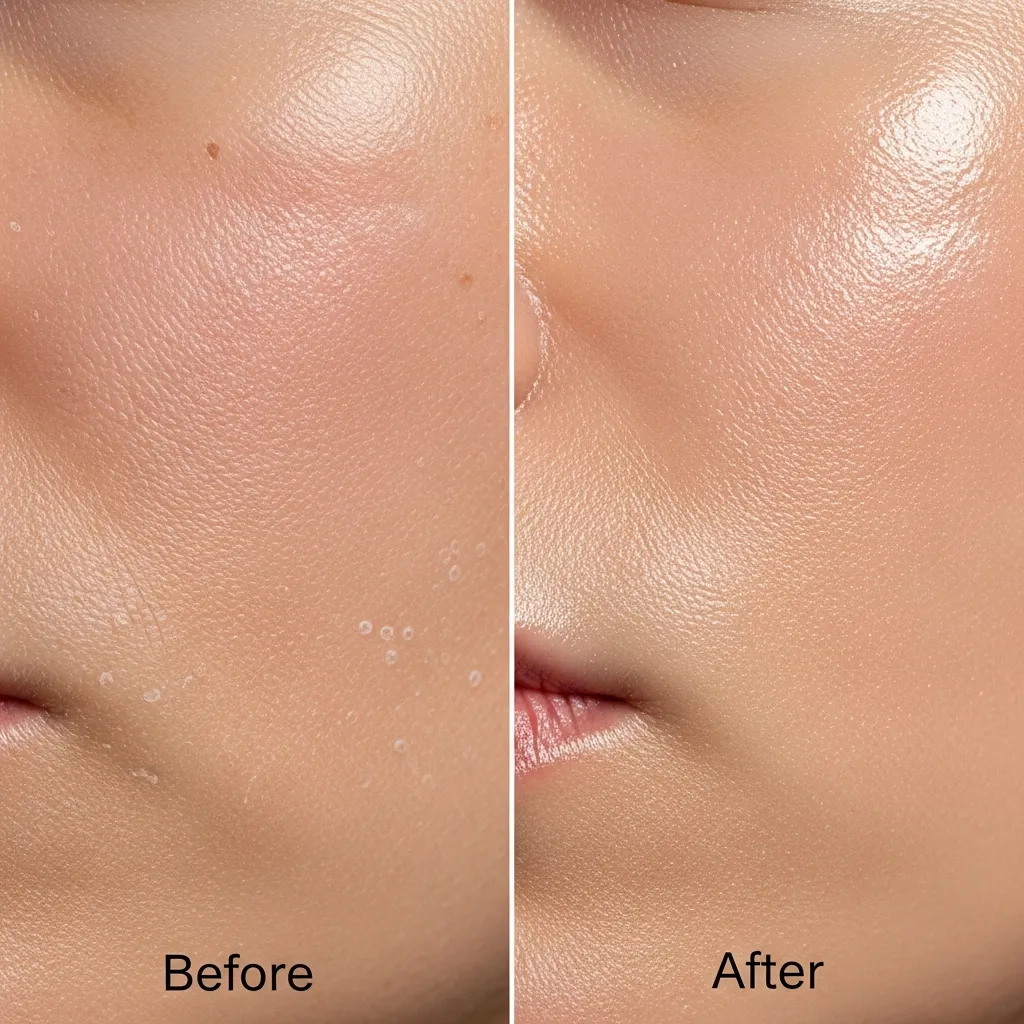
One of the most noticeable benefits of using a glycolic acid face wash is improved skin texture. By removing dead skin cells that accumulate on the surface, your skin becomes noticeably smoother. Those rough patches that foundation never quite sits right on? They’ll gradually diminish with consistent use.
Brighter, More Radiant Complexion
Dead skin cells don’t just make your skin feel rough—they also create a dull, tired appearance. Regular use of glycolic acid reveals the fresh, healthy skin underneath, giving you that coveted glow that makes people ask what you’re doing differently.
Reduced Fine Lines and Wrinkles
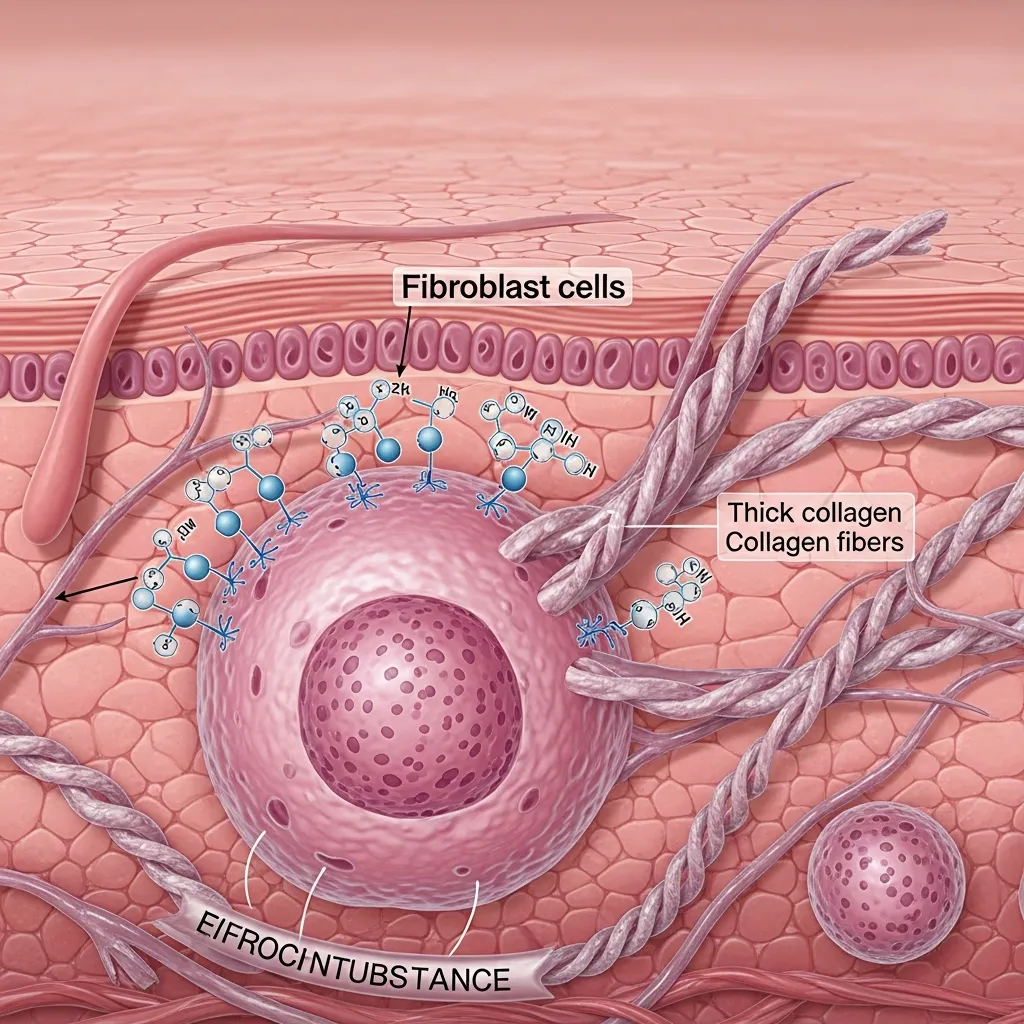
Here’s where things get really exciting. Glycolic acid doesn’t just work on the surface. It stimulates collagen production in the deeper layers of your skin, which helps minimize the appearance of fine lines and wrinkles over time. While a face wash won’t deliver the same dramatic anti-aging results as higher-concentration treatments, it’s still a valuable part of an age-defying routine.
Clearer, Less Congested Pores
If you struggle with blackheads or frequent breakouts, glycolic acid could be your new best friend. It helps unclog pores by removing the buildup of dead skin cells and excess oil that can lead to acne. Many users notice fewer blackheads and a reduction in breakouts after incorporating a glycolic acid face wash into their routine.
Faded Dark Spots and Hyperpigmentation
Perhaps one of the most sought-after benefits is glycolic acid’s ability to fade dark spots, sun damage, and post-acne marks. By accelerating cell turnover, it helps bring newer, more evenly-toned skin to the surface while fading areas of hyperpigmentation.
How to Use a Glycolic Acid Face Wash Properly
Using a glycolic acid face wash isn’t complicated, but there are some best practices to maximize results while minimizing irritation.
Start slowly. If you’re new to glycolic acid, begin by using the face wash just two to three times per week. Pay attention to how your skin responds. Some slight tingling is normal, but if you experience significant burning or redness, scale back.
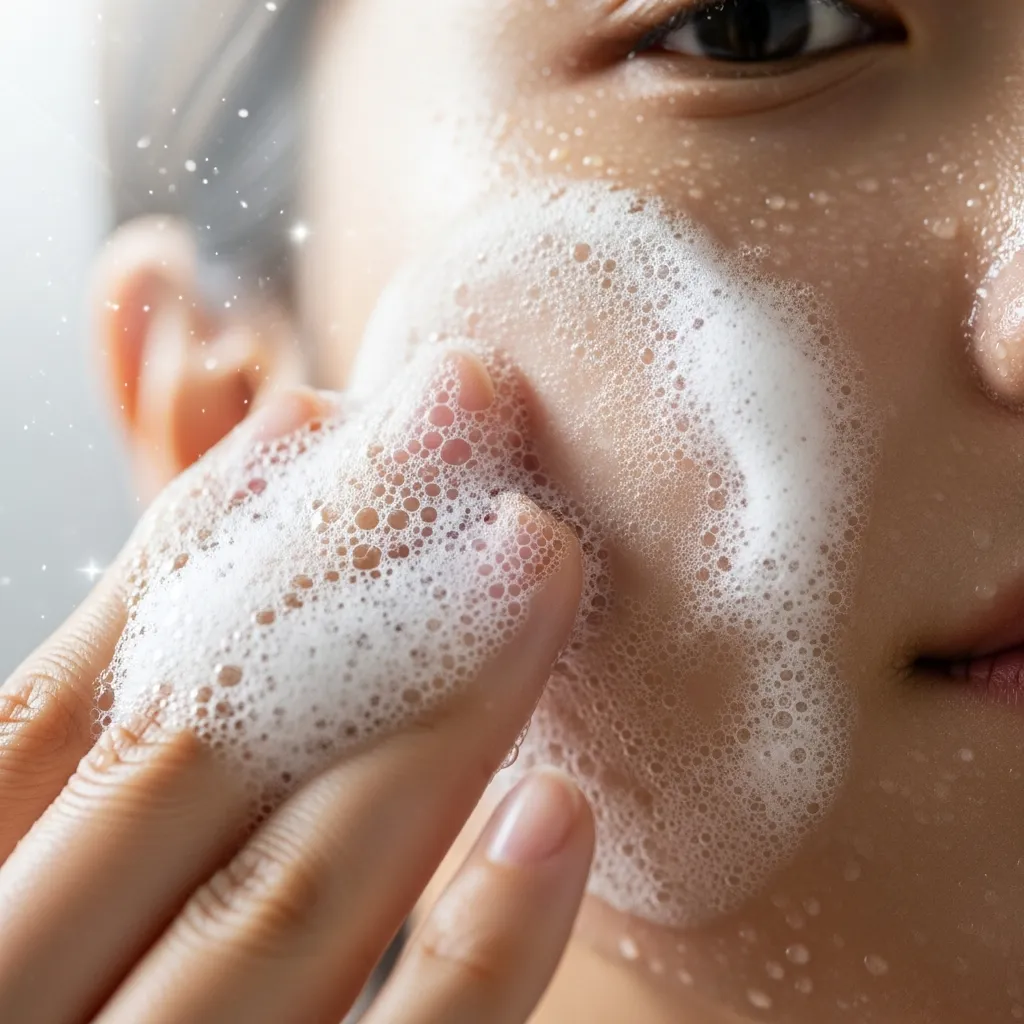
When you’re ready to use it, wet your face with lukewarm water. Dispense a small amount of the glycolic acid face wash into your hands and gently massage it onto your face in circular motions. Let it sit on your skin for about 30 to 60 seconds before rinsing thoroughly. This contact time allows the glycolic acid to work its magic without over-exfoliating.
Always follow up with sunscreen during the day. Glycolic acid makes your skin more sensitive to the sun, so protecting your skin with at least SPF 30 is non-negotiable. This is probably the most important step in the entire process.
Who Should (and Shouldn’t) Use Glycolic Acid Face Wash?
Glycolic acid face washes work beautifully for many skin types, but they’re not for everyone.
Best candidates include:
- Those with dull, uneven skin tone
- People dealing with mild acne or clogged pores
- Anyone concerned about early signs of aging
- Those with sun damage or dark spots
- Normal to oily skin types
Exercise caution if you have:
- Very sensitive or reactive skin
- Active rosacea or eczema
- Severe acne (consult a dermatologist first)
- Extremely dry or compromised skin barrier
If you’re pregnant or nursing, check with your healthcare provider before starting any new skincare active, though topical glycolic acid is generally considered safe in moderation.
Choosing the Right Glycolic Acid Face Wash
Not all glycolic acid face washes are created equal. Here’s what to look for:
Concentration matters. Face washes typically contain between 2% to 10% glycolic acid. Beginners should start with lower concentrations (around 5% or less), while more experienced users might prefer 8-10%.
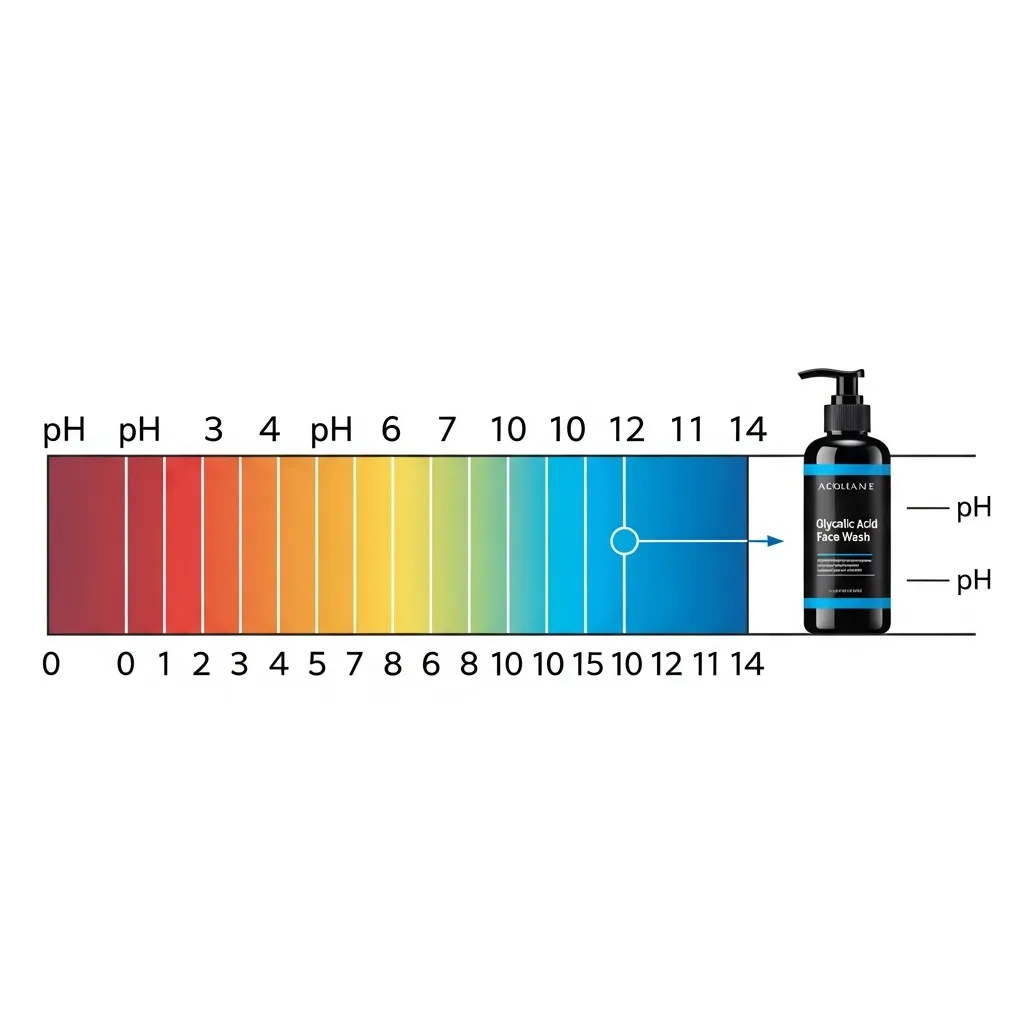
pH level is crucial. For glycolic acid to work effectively, the product should have a pH between 3 and 4. Unfortunately, brands don’t always list this information, but reviews from experienced users can help guide you.
Look for supportive ingredients like hyaluronic acid for hydration, or niacinamide to help minimize irritation. Some formulas also include soothing botanical extracts that make the experience more pleasant for sensitive skin.
Avoid harsh combinations. If your face wash contains glycolic acid, it shouldn’t also have physical exfoliants like beads or harsh scrubbing agents. That’s exfoliation overkill.
Common Mistakes to Avoid
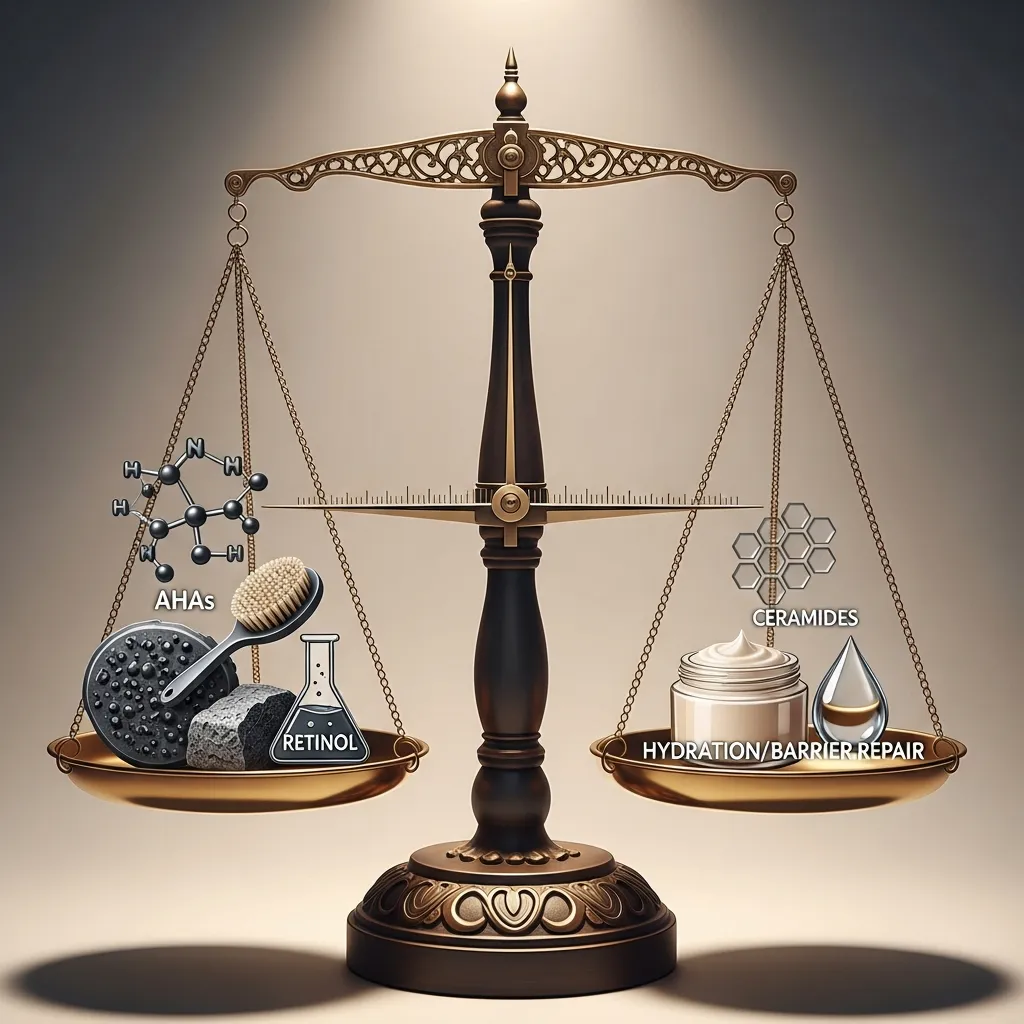
Even with the best intentions, it’s easy to misuse glycolic acid products. Don’t over-exfoliate. Using glycolic acid morning and night while also using other exfoliating products is a recipe for irritation and a damaged skin barrier.
Don’t skip moisturizer. Some people mistakenly think that because glycolic acid helps with oily skin, they don’t need to moisturize. Wrong! Proper hydration is essential for maintaining healthy skin, especially when using exfoliating products.
Don’t expect overnight miracles. While some people see improvements within a few uses, most benefits develop over several weeks of consistent use. Give your skin time to adjust and respond.
Building a Routine Around Glycolic Acid
A glycolic acid face wash works best as part of a thoughtful skincare routine. In the morning, cleanse with plain water or a gentle, non-exfoliating cleanser, apply your serums and moisturizer, and finish with sunscreen.
In the evening, you might use your glycolic acid face wash, followed by a hydrating toner, any treatment serums (but avoid layering multiple exfoliants), a nourishing moisturizer, and perhaps an occlusive product to lock everything in.
On nights when you use your glycolic acid face wash, skip other exfoliating treatments like retinol, other AHAs or BHAs, or physical scrubs.
The Bottom Line
A face wash with glycolic acid can be a transformative addition to your skincare routine. It offers gentle yet effective exfoliation, addresses multiple skin concerns from dullness to fine lines, and fits seamlessly into most regimens. The key is starting slowly, listening to your skin, and being consistent with sun protection.
Remember, skincare is personal. What works wonders for someone else might not be right for you, and that’s okay. If you’re uncertain about introducing glycolic acid into your routine, consider consulting with a dermatologist who can provide personalized guidance based on your specific skin type and concerns.
With patience and proper use, a glycolic acid face wash might just become your secret weapon for healthier, more radiant skin.
Frequently Asked Questions
Can I use glycolic acid face wash every day?
While some people can tolerate daily use, most should start with 2-3 times per week. Gradually increase frequency based on your skin’s tolerance. Those with sensitive skin may find that every other day or 3-4 times weekly is their sweet spot. Always monitor for signs of irritation like excessive dryness, redness, or sensitivity.
Will glycolic acid face wash make my skin peel?
Mild flaking is possible when you first start using glycolic acid, especially at higher concentrations. This is actually the dead skin cells shedding, which is normal. However, significant peeling or irritation suggests you’re over-exfoliating. If this happens, reduce usage frequency and ensure you’re moisturizing adequately. The peeling typically subsides as your skin adjusts.
Can I use glycolic acid with other active ingredients?
Yes, but with caution. Avoid combining glycolic acid with other exfoliants like salicylic acid, retinol, or vitamin C in the same routine to prevent irritation. However, you can alternate nights or use gentler ingredients like hyaluronic acid and niacinamide alongside glycolic acid. Always introduce new actives one at a time and space them out.
How long until I see results from glycolic acid face wash?
Most people notice improved skin texture and brightness within 2-4 weeks of consistent use. Benefits like reduced hyperpigmentation and fine lines take longer, typically 8-12 weeks. Remember, a face wash has shorter contact time than leave-on treatments, so results may be more subtle but still significant. Patience and consistency are key.
Is glycolic acid safe for acne-prone skin?
Yes, glycolic acid can benefit acne-prone skin by unclogging pores and preventing breakouts. However, those with active, inflamed acne should consult a dermatologist first, as glycolic acid can sometimes irritate already-compromised skin. It works best for comedonal acne (blackheads and whiteheads) and for preventing future breakouts rather than treating severe inflammatory acne.