
Hair loss affects millions of people worldwide, and if you’re reading this, chances are you’ve been searching for real solutions. Two medications consistently come up in conversations about hair restoration: finasteride and dutasteride. But what exactly are these medications, how do they work, and are they right for you?
In this comprehensive guide, I’ll walk you through everything you need to know about these powerful hair loss treatments, drawing from medical research and real-world experiences to help you make an informed decision about your hair health journey.
Is Cetaphil Good? A Complete Review of This Trusted Skincare Brand
Is Flower Knows FDA Approved? in 2024
Is Judydoll Good Quality in 2024?
Understanding Hair Loss: Why It Happens
Before we dive into the treatments, let’s talk about what’s actually happening when you lose your hair. For most people dealing with hair loss, the culprit is androgenetic alopecia, commonly known as male or female pattern baldness.
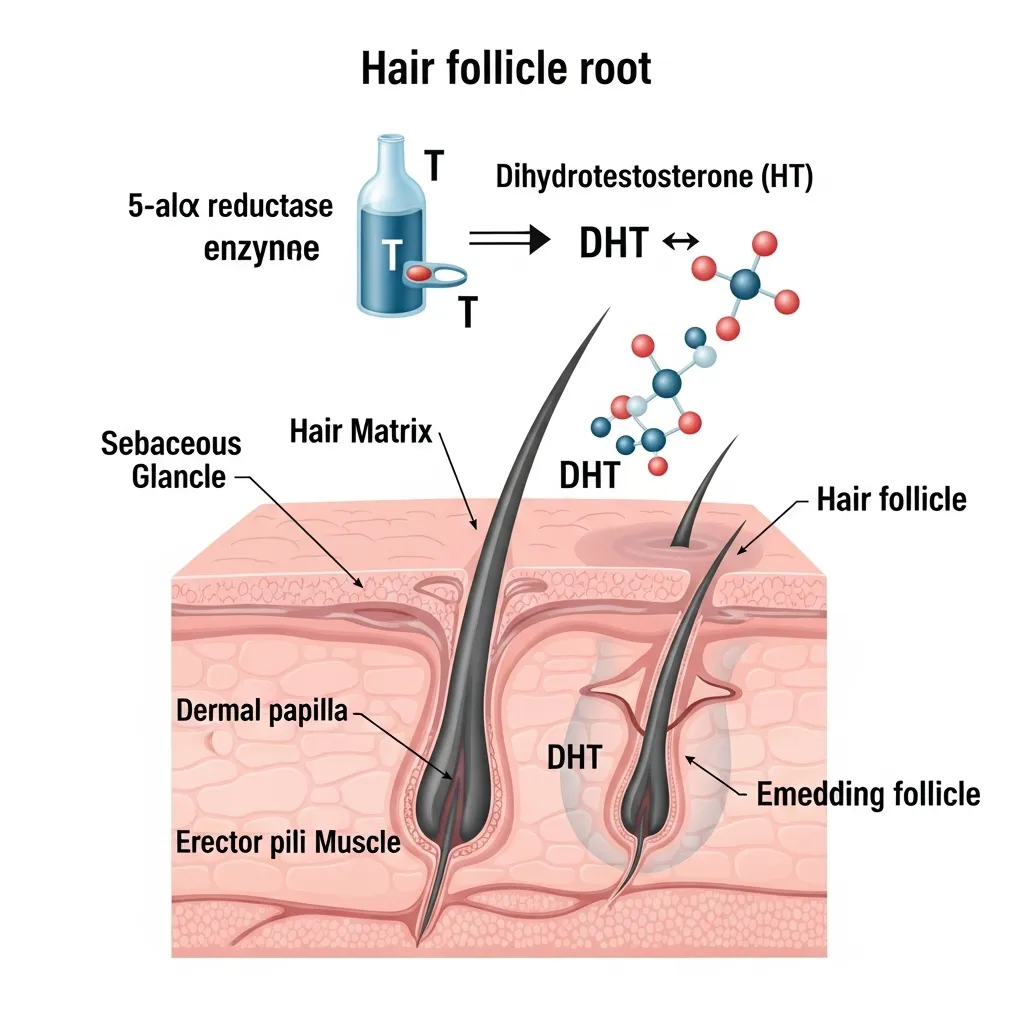
The villain in this story is a hormone called dihydrotestosterone, or DHT. Your body creates DHT when an enzyme called 5-alpha reductase converts testosterone into this more potent form. DHT attaches to hair follicles, particularly on your scalp, and gradually miniaturizes them. Over time, these follicles produce thinner, shorter hairs until they eventually stop producing visible hair altogether.
This is where finasteride and dutasteride enter the picture.
What Are Finasteride and Dutasteride?
Both finasteride and dutasteride belong to a class of medications called 5-alpha reductase inhibitors. They work by blocking the enzyme responsible for converting testosterone into DHT, effectively reducing the amount of DHT in your body and giving your hair follicles a fighting chance.
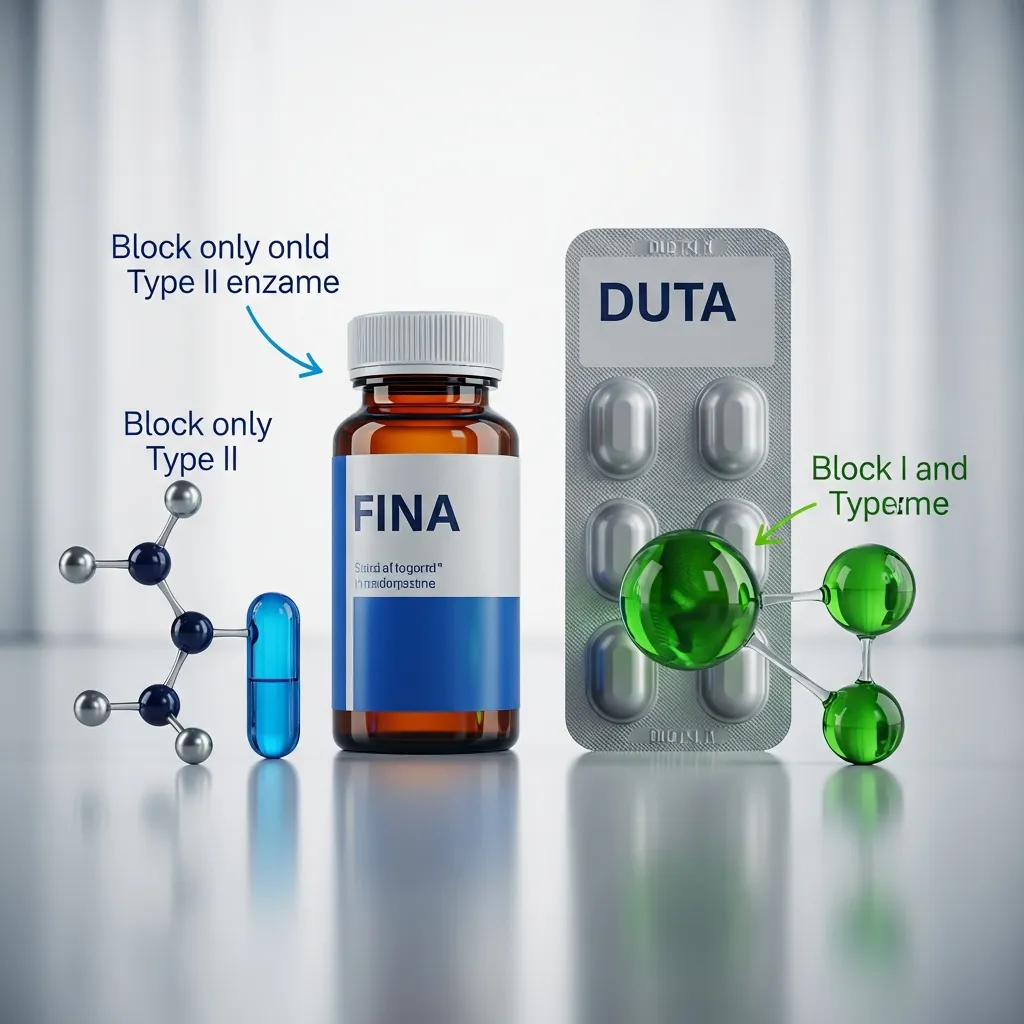
Finasteride, marketed under brand names like Propecia and Proscar, has been FDA-approved for hair loss treatment since 1997. It specifically targets Type II 5-alpha reductase, reducing DHT levels by approximately 70%.
Dutasteride, sold as Avodart, is a more powerful medication that blocks both Type I and Type II 5-alpha reductase enzymes. This dual action can reduce DHT levels by up to 90%. While it’s FDA-approved for treating enlarged prostate, many dermatologists prescribe it off-label for hair loss when finasteride isn’t effective enough.
How They Help With Hair Loss
Let me be straight with you: these medications won’t give you a full head of hair overnight. What they can do is slow down, stop, or even reverse hair loss in many people who use them consistently.
Finasteride’s effectiveness has been well-documented in clinical studies. Most men using finasteride for hair loss see stabilization of their hair loss within three to six months. Many experience regrowth, particularly in the crown area, though results vary from person to person. The key word here is consistency. These medications work as long as you take them, and stopping usually means your hair loss will resume.
Dutasteride’s impact on hair growth can be even more significant due to its stronger DHT-blocking action. Some studies suggest it may produce better results than finasteride, particularly for people who didn’t respond well to finasteride alone. However, it’s also associated with a higher risk of side effects due to its more comprehensive hormone suppression.
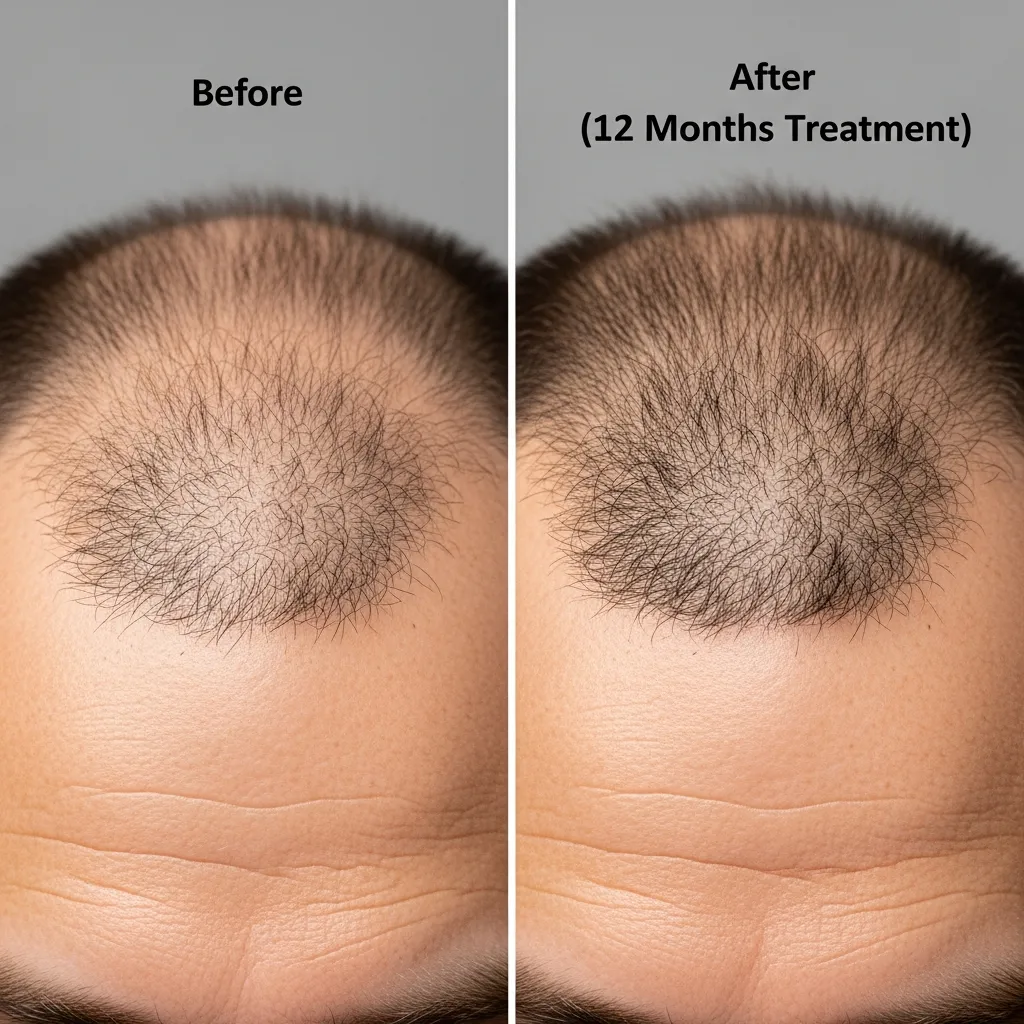
The timeline for seeing results typically looks like this:
- Months 1-3: You might notice increased shedding. Don’t panic! This is often a sign the medication is working, as weak hairs fall out to make room for stronger ones.
- Months 3-6: Hair loss should stabilize, with less hair falling out during washing or brushing.
- Months 6-12: This is when you might start seeing visible regrowth and increased hair density.
- Year 2 and beyond: Maximum results typically appear, though improvements can continue.
Beyond Hair Loss: Other Benefits
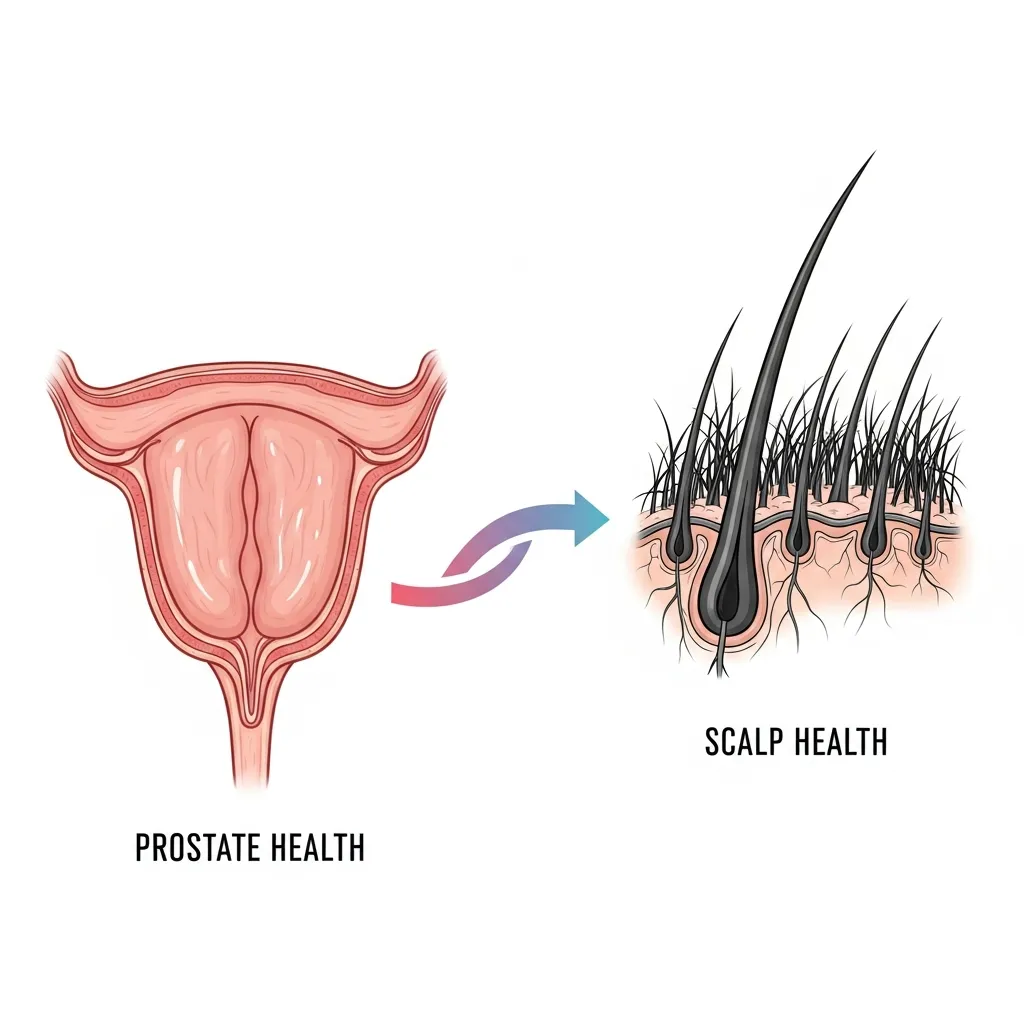
While we’re primarily talking about hair loss, both medications were originally developed for another purpose: treating benign prostatic hyperplasia (BPH), or enlarged prostate.
For prostate health, both finasteride and dutasteride can:
- Reduce prostate size, making urination easier and more comfortable
- Decrease the risk of acute urinary retention, where you can’t urinate at all
- Lower the need for prostate surgery in men with BPH
- Improve urinary flow and reduce nighttime bathroom trips
Some research has also explored whether these medications might reduce the risk of certain types of prostate cancer, though this remains an area of ongoing study and debate in the medical community.
Understanding the Side Effects
Now for the part nobody likes to talk about, but we absolutely must. Both finasteride and dutasteride can cause side effects, and you deserve to know what they are before starting treatment.
Common Side Effects
Sexual side effects are the most discussed and include:
- Decreased libido (reduced sex drive)
- Erectile dysfunction (difficulty achieving or maintaining an erection)
- Reduced semen volume
- Difficulty with orgasm
In clinical trials, these effects occurred in roughly 2-4% of men taking finasteride and potentially slightly higher rates with dutasteride. Many people who experience these side effects find they resolve within the first few months of treatment, and most disappear after discontinuing the medication.
Other physical side effects can include:
- Breast tenderness or enlargement (gynecomastia)
- Depression or mood changes
- Dizziness
- Weakness
- Skin rash

The Post-Finasteride Syndrome Controversy
There’s an ongoing debate in the medical community about post-finasteride syndrome (PFS), where some individuals report persistent sexual, mental, and physical symptoms even after stopping the medication. While some studies have documented cases, the exact prevalence and mechanism remain subjects of research and discussion.
If you’re concerned about side effects, have an honest conversation with your healthcare provider. They can help you weigh the benefits against the risks based on your individual health profile.

Important Warnings
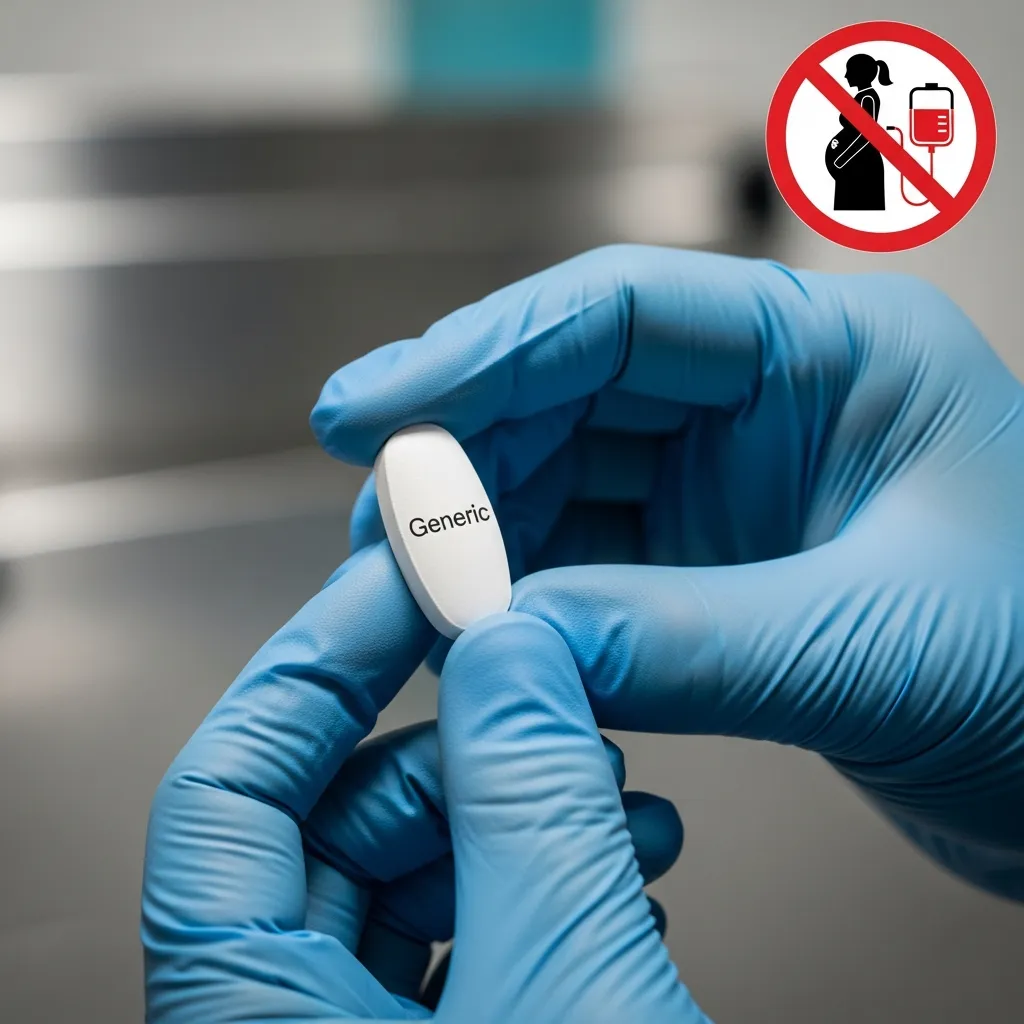
For women: Both medications can cause severe birth defects. Women who are or may become pregnant should not handle crushed or broken tablets and should never take these medications. Some dermatologists do prescribe dutasteride off-label to postmenopausal women for hair loss.
Blood donation: Men taking these medications should not donate blood during treatment and for at least six months after stopping, as the medication in transfused blood could harm a pregnant woman’s male fetus.
Which One Should You Choose?
The decision between finasteride and dutasteride isn’t one you should make alone. Here’s how doctors typically approach it:
Start with finasteride if:
- You’re beginning treatment for the first time
- You want the medication with more long-term safety data
- You’re looking for the more cost-effective option
Consider dutasteride if:
- You’ve tried finasteride for at least a year without satisfactory results
- Your hair loss is aggressive and you need stronger intervention
- Your doctor specifically recommends it based on your situation
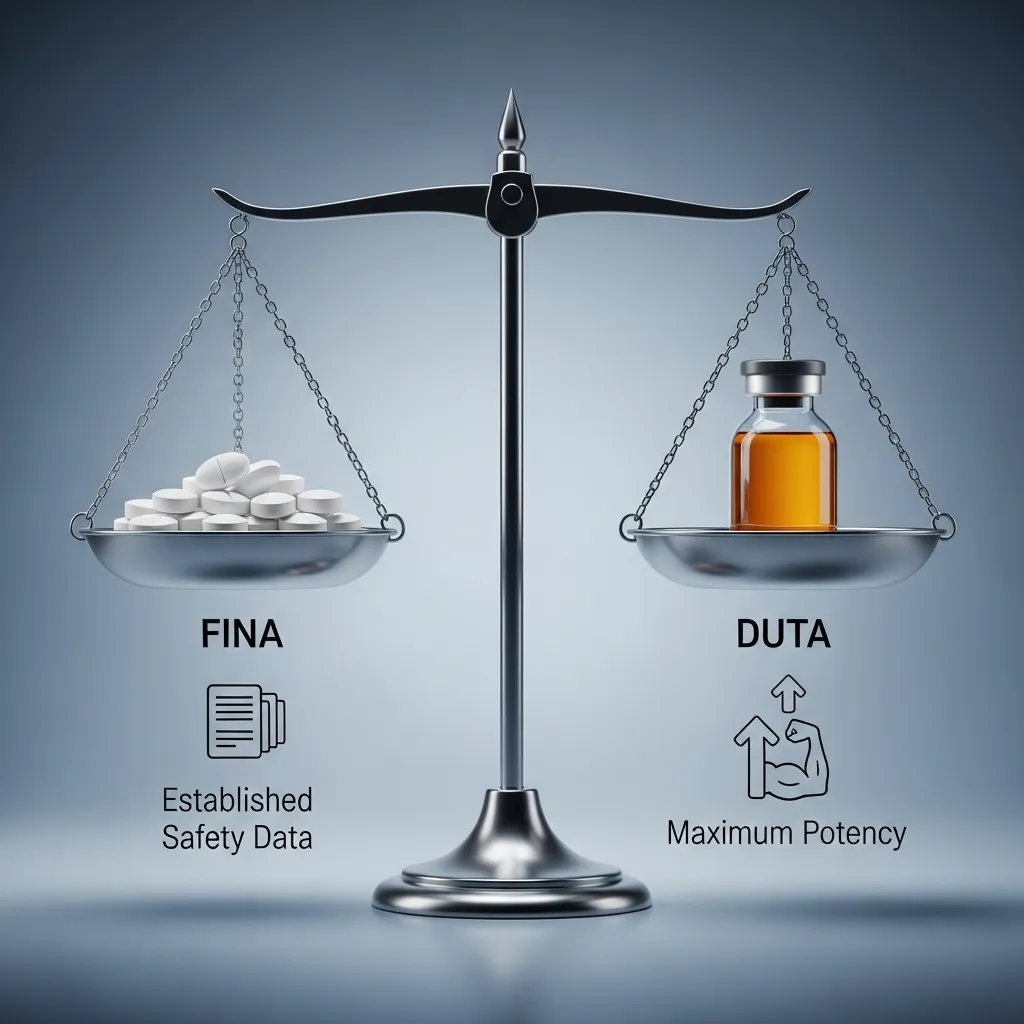
Many dermatologists prefer starting patients on finasteride because it has decades of safety data and FDA approval for hair loss, reserving dutasteride for cases where finasteride hasn’t been effective.
Practical Tips for Using These Medications
If you and your doctor decide that finasteride or dutasteride is right for you, here’s how to use them effectively:
Dosage: Finasteride for hair loss is typically prescribed at 1mg daily. Dutasteride is usually 0.5mg daily, though some doctors prescribe it at different frequencies.
Timing: Take your medication at the same time each day to maintain consistent levels in your system. It doesn’t matter if it’s morning or night; what matters is consistency.
Patience: Remember that hair growth is slow. Give the medication at least 6-12 months before deciding if it’s working for you.
Combination therapy: Many people achieve better results by combining these medications with minoxidil (Rogaine), low-level laser therapy, or other treatments. Talk to your dermatologist about a comprehensive approach.
Monitoring: Schedule follow-up appointments with your doctor to assess your progress and address any concerns or side effects.
The Bottom Line
Finasteride and dutasteride represent some of the most effective medical treatments available for hair loss. They work by addressing the root cause—DHT—rather than just treating symptoms. For many people, these medications can slow, stop, or even reverse hair loss, providing a significant boost to confidence and quality of life.
However, they’re not magic pills, and they’re not right for everyone. Side effects, though relatively uncommon, are real and can be concerning. The key is making an informed decision with guidance from a qualified healthcare provider who understands your medical history and personal goals.
If you’re struggling with hair loss, don’t suffer in silence. Schedule a consultation with a dermatologist who specializes in hair loss. They can evaluate your specific situation, discuss all available options, and help you create a treatment plan that makes sense for you.
Remember, your hair is just one part of who you are, but if treating hair loss will help you feel more confident and comfortable in your own skin, these medications might be worth exploring.
Frequently Asked Questions
Q1: How long do I need to take finasteride or dutasteride to maintain my hair?
These medications work only as long as you continue taking them. Hair loss will typically resume within 3-12 months after stopping treatment. Think of it like blood pressure medication—it manages the condition but doesn’t cure it. Most people who see good results choose to continue treatment indefinitely. Some men have safely taken finasteride for over 20 years. The decision to continue is personal and should be based on your results, tolerance, and priorities. Regular check-ins with your doctor can help assess whether continuing makes sense for your situation.
Q2: Can women use finasteride or dutasteride for hair loss?
Postmenopausal women can sometimes use these medications for hair loss, though dutasteride is more commonly prescribed off-label. However, women who are pregnant, planning pregnancy, or breastfeeding should absolutely avoid these medications due to risk of severe birth defects in male fetuses. Even handling crushed tablets can be risky if pregnant. Some dermatologists prescribe these to postmenopausal women with androgenetic alopecia who haven’t responded to minoxidil or spironolactone. Women’s hair loss requires different approaches, so working with a dermatologist experienced in female hair loss is essential for proper diagnosis and treatment.
Q3: What should I do if I experience sexual side effects?
First, don’t panic—sexual side effects occur in only 2-4% of users and often resolve within the first few months. If you experience issues, contact your doctor promptly. They might suggest lowering your dose, taking medication less frequently, or switching treatments. Never stop abruptly without consulting your healthcare provider. Document when side effects started and their severity. Your doctor might check hormone levels or refer you to a urologist. Remember that many men continue treatment without any sexual side effects, and individual responses vary widely based on body chemistry and overall health.
Q4: Is dutasteride more effective than finasteride for hair loss?
Research suggests dutasteride may be more effective because it blocks both types of 5-alpha reductase enzymes, reducing DHT by up to 90% compared to finasteride’s 70% reduction. Studies show greater improvements in hair count and thickness with dutasteride. However, dutasteride lacks FDA approval for hair loss and has less long-term safety data. Most specialists recommend starting with finasteride first. After 12-18 months without adequate results, dutasteride might be worth considering. The “best” medication depends on your individual response, tolerance, and goals rather than just raw effectiveness numbers.
Q5: Can I use finasteride or dutasteride with other hair loss treatments?
Yes, these medications are often combined with other treatments for better results. The most common combination is with topical minoxidil (Rogaine), which works through a different mechanism. Many dermatologists also recommend low-level laser therapy, microneedling, or ketoconazole shampoos. Some use platelet-rich plasma (PRP) injections alongside these medications. Combinations can be more effective than single treatments because they target hair loss through multiple pathways. However, more treatments mean higher costs and complex routines. Discuss with your dermatologist to create a plan that fits your lifestyle and budget.