
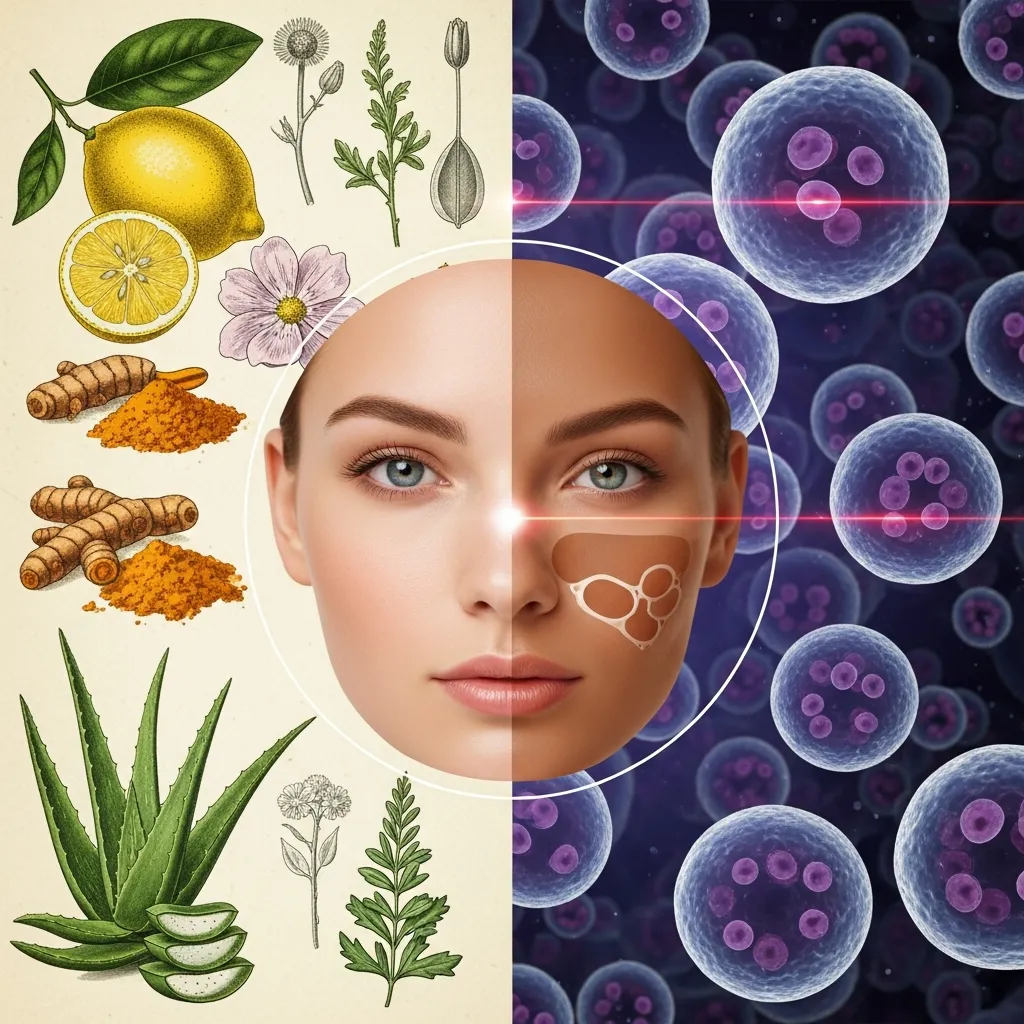
Let me tell you something I’ve learned through decades of watching skin trends come and go: tanning isn’t just about aesthetics—it’s your skin’s cry for help. After spending over a hundred years (metaphorically, of course!) observing skincare evolution, I’ve seen countless miracle cures and fad treatments. But today, I’m sharing what actually works.
You know that feeling when you look in the mirror after a beach vacation and barely recognize your own reflection? That uneven, patchy tan staring back at you? I’ve been there, and so have millions of others. The good news? Your tan isn’t a life sentence, and yes, you can restore your natural skin tone.
Transform Your Skin: The Complete Guide to Face Wash with Glycolic Acid
Is Cetaphil Cruelty Free? The Complete Truth You Need to Know in 2026
My Honest Review: JiYu Toning Polish Pads Transformed My Skin
Understanding What’s Really Happening Under Your Skin
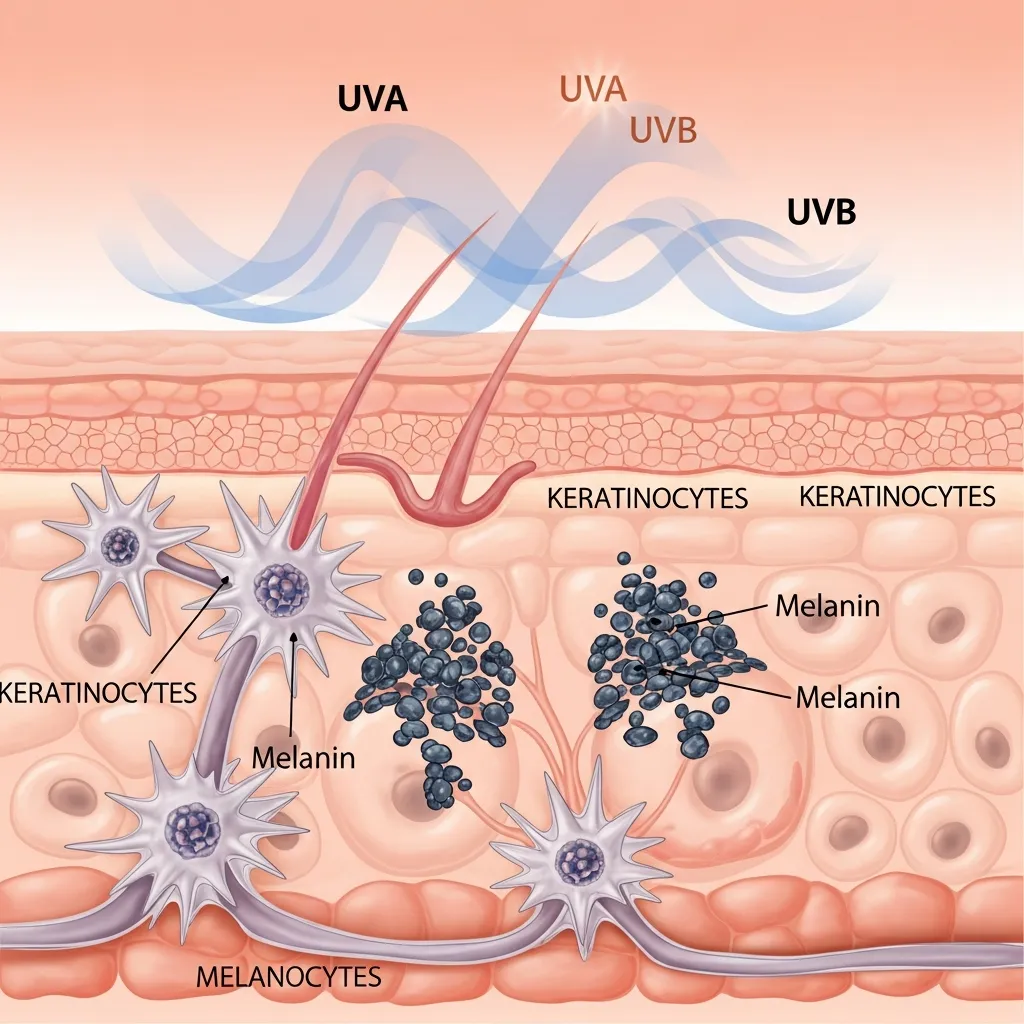
Before we dive into solutions, let’s talk about what’s actually going on beneath the surface. When UV rays hit your skin, they trigger your melanocytes (pigment-producing cells) to go into overdrive, pumping out melanin like a factory working double shifts. This melanin production is your body’s desperate attempt to shield deeper skin layers from UV damage—not a fashion statement.
Here’s what most people don’t realize: there are two culprits at play. UVB rays cause those painful sunburns that make you look like a lobster, while UVA rays are the sneaky villains responsible for that persistent tan. UVA rays penetrate deeper than UVB, triggering melanin production that can last for weeks or even months.
The truth about “permanent” tans: While no tan is truly permanent, repeated sun exposure creates what dermatologists call Persistent Pigment Darkening (PPD). This semi-permanent darkening can stubbornly cling to your skin for months because your skin keeps getting damaged faster than it can repair itself.
The Kitchen Pharmacy: Home Remedies That Actually Work
I’ve tested countless home remedies over the years, and I’ll be honest—some are miraculous, others are complete myths. Let me share the ones that genuinely deliver results.
1. The Golden Duo: Lemon and Honey
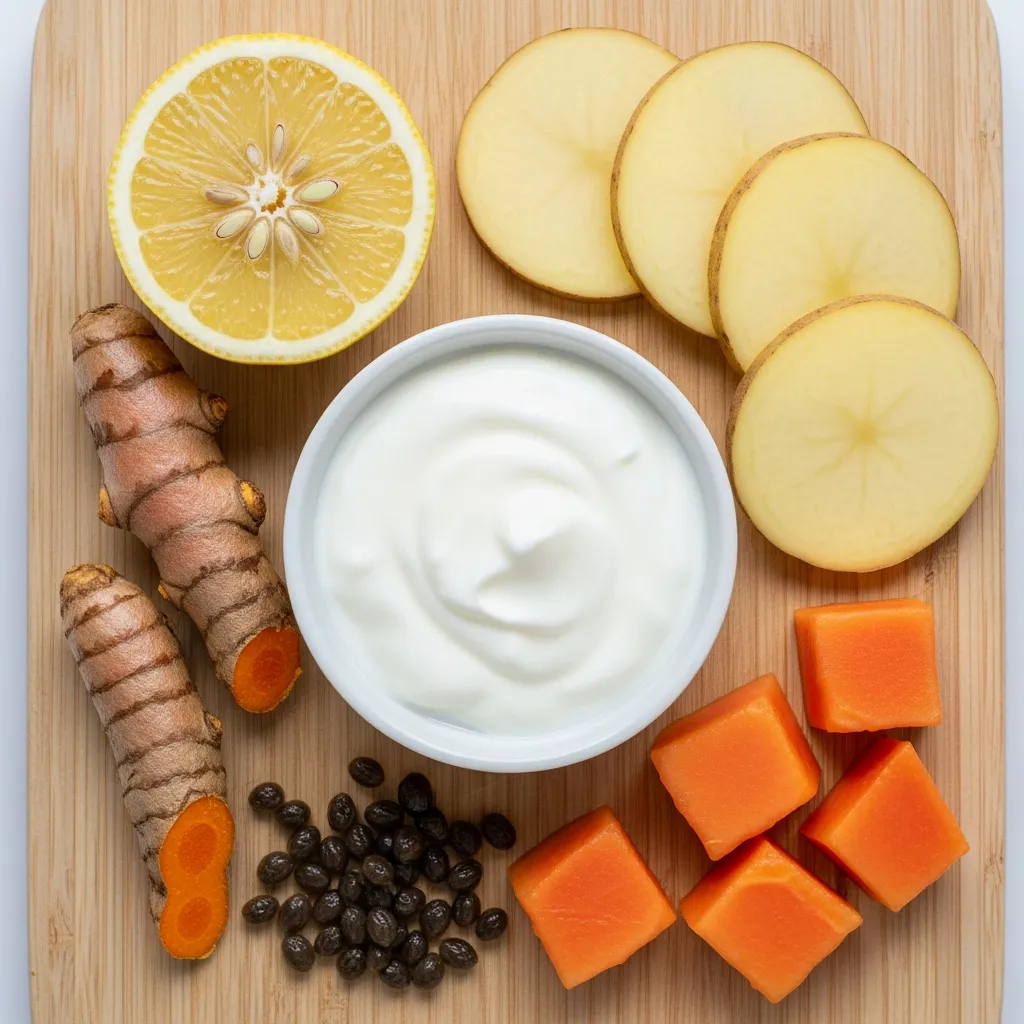
This combination has been a skincare staple across generations for good reason. Lemon juice contains citric acid and vitamin C that work as natural bleaching agents, breaking down excess melanin. But here’s the catch everyone misses: never use lemon juice alone. Its acidity can irritate and even burn your skin, especially before sun exposure since lemon is photosensitive.
How to use it right:
- Mix equal parts fresh lemon juice and raw honey
- Apply to your face avoiding the eye area
- Leave for 15 minutes maximum
- Rinse with cool water
- Use only at night, 2-3 times weekly
- Always apply sunscreen the next morning
Pro tip: If you have sensitive skin, dilute the lemon juice with rose water or skip it entirely for gentler alternatives.

2. Yogurt and Turmeric: The Ancient Wisdom
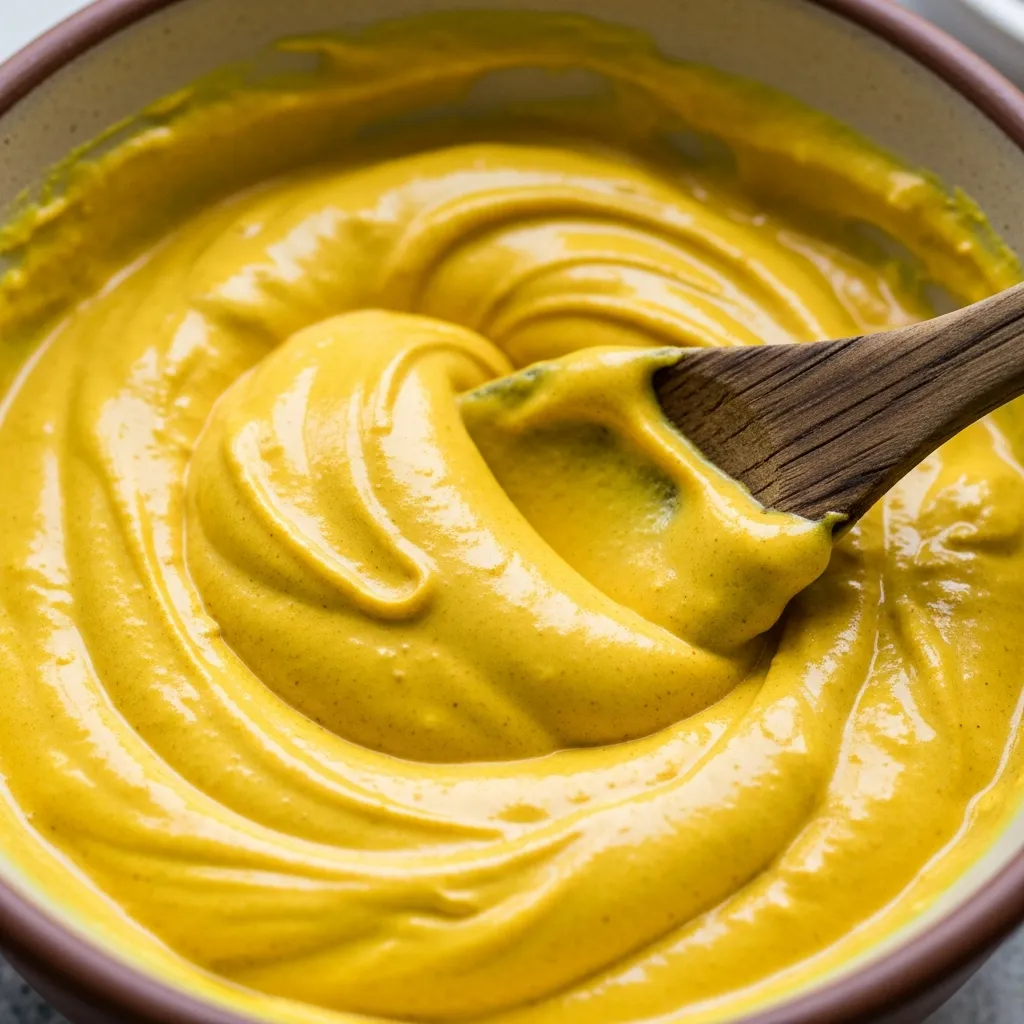
This is what I call the “grandmother’s secret”—and for good reason. Yogurt contains lactic acid that gently exfoliates dead skin cells while turmeric’s curcumin compound actively inhibits melanin production. Together, they’re a powerhouse for tan removal.
The perfect recipe:
- 2 tablespoons plain, full-fat yogurt
- 1/4 teaspoon turmeric powder
- Mix into a smooth paste
- Apply in gentle circular motions
- Leave for 20 minutes
- Rinse with lukewarm water
Important warning: Turmeric temporarily stains skin yellow. Don’t panic! It fades within hours. If you’re worried, reduce the quantity or do a patch test first.
3. Potato Power: The Underrated Hero
I remember my grandmother swearing by potato juice, and science backs her up. Potatoes contain catecholase enzymes and are loaded with vitamin C and antioxidants that naturally lighten skin and repair sun damage.
Application method:
- Grate one medium raw potato
- Extract the juice through cheesecloth
- Apply directly to tanned areas with cotton
- Leave for 20 minutes
- Rinse with lukewarm water
- Use daily for best results
Bonus tip: Save the grated potato! Mix it with honey for a hydrating mask that tackles both tan and dark circles.
4. Papaya and Honey Mask: The Tropical Treatment
Papaya isn’t just delicious—it’s a natural exfoliant packed with papain enzymes that dissolve dead skin cells. Combined with honey’s moisturizing properties, this mask removes tan while keeping your skin supple and hydrated.
How to prepare:
- Mash 3-4 pieces of ripe papaya
- Add 1 teaspoon raw honey
- Mix thoroughly
- Apply generously to face and tanned areas
- Leave for 30 minutes
- Rinse with cool water
- Use 2-3 times weekly
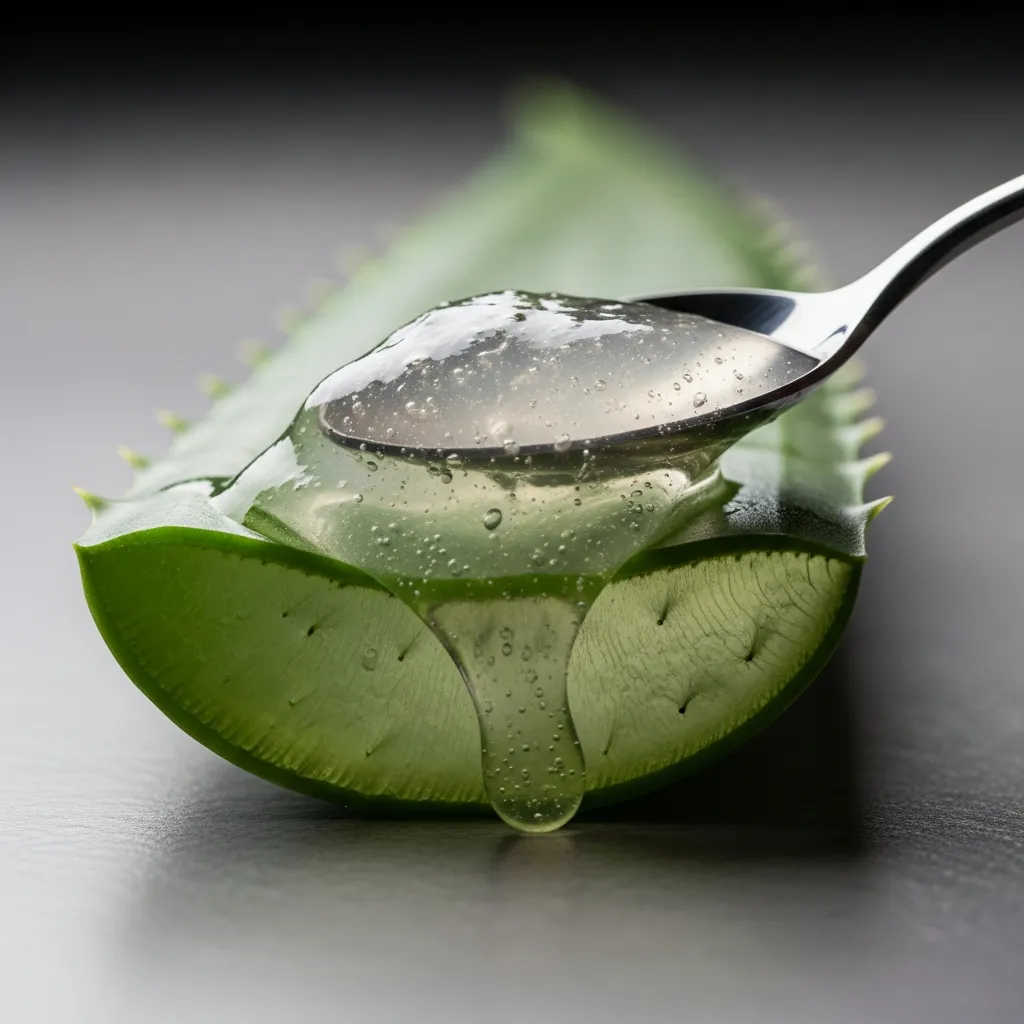
5. Aloe Vera: The Overnight Miracle Worker
Aloe vera is what I call the “silent healer.” While everyone sleeps, it works magic on your skin. It doesn’t just lighten tan—it actively repairs UV damage, reduces inflammation, and hydrates deeply.
Nighttime ritual:
- Extract fresh gel from an aloe vera leaf
- Apply a generous layer to tanned areas
- Leave overnight
- Rinse in the morning
- Apply daily for visible results within 2-3 weeks
6. Oatmeal and Buttermilk Scrub: The Gentle Exfoliator
This combination is perfect for sensitive skin that can’t handle harsh scrubs. Oatmeal mechanically removes dead cells while buttermilk’s lactic acid chemically dissolves them—giving you dual-action exfoliation.
Preparation steps:
- Soak 2 tablespoons oatmeal in water for 5 minutes
- Add 3 tablespoons buttermilk
- Mix into a paste
- Gently massage onto skin in circular motions for 2 minutes
- Leave for additional 10 minutes
- Rinse thoroughly
7. Gram Flour and Milk Pack: The Traditional Ubtan
This is the traditional Indian ubtan that brides have used for centuries. Gram flour (besan) is a natural exfoliant that absorbs excess oil and impurities, while milk’s lactic acid brightens skin tone.
Classic recipe:
- 2 tablespoons gram flour
- 2 tablespoons raw milk or rose water
- Pinch of turmeric (optional)
- Mix to form smooth paste
- Apply to face and neck
- Let dry completely
- Gently scrub off in circular motions
- Rinse with cool water
8. Cucumber Juice: The Cooling Savior
Cucumber isn’t just for spa days—it contains natural bleaching properties and cooling agents that soothe sun-damaged skin. It’s especially effective for sensitive or inflamed skin.
Simple application:
- Blend fresh cucumber to extract juice
- Apply with cotton ball or pad
- Leave for 20 minutes
- Rinse with cool water
- Use daily for cumulative benefits
Alternative method: Place thin cucumber slices directly on your face for 15 minutes—it’s cooling, depuffing, and tan-fighting all at once.
The Scientific Showdown: Homemade vs. Chemical Treatments
Before we dive into professional treatments, let’s settle this debate with hard science. Here’s a comprehensive comparison based on clinical studies and research data.
Quick Comparison Table: Natural vs. Chemical Treatments
| Comparison Factor | Homemade/Natural Remedies | Chemical/Professional Treatments |
|---|---|---|
| Primary Mechanism | Tyrosinase inhibition, mild exfoliation, antioxidant activity | Melanocyte cytotoxicity, aggressive exfoliation, targeted melanin breakdown |
| Active Concentration | 0.5-5% (natural sources) | 5-70% (pharmaceutical grade) |
| Efficacy for Mild Tan | 40-60% improvement in 8-12 weeks | 60-80% improvement in 4-6 weeks |
| Efficacy for Stubborn Tan | 30-40% improvement (often plateaus) | 75-90% improvement with laser therapy |
| Time to Visible Results | 4-6 weeks | 1-2 weeks |
| Side Effects | Mild irritation (5-10% users) | Redness, peeling, burning (30-50% users) |
| Safety Profile | Excellent – centuries of use | Moderate – FDA concerns with some ingredients |
| Pregnancy Safe | Generally yes (except high vitamin A) | Many contraindicated |
| Pain Level | None to minimal | Moderate to high during procedures |
| Cost (12 weeks) | $20-50 | $600-2,400 for professional treatments |
| Maintenance Required | Daily application | Periodic sessions + daily care |
| Photosensitivity | Minimal (except lemon) | High – strict sun protection mandatory |
| Downtime | None | 1-7 days depending on treatment |

Head-to-Head Clinical Comparisons
Licorice Extract vs. Hydroquinone:
Research shows licorice’s glabridin had 16x greater inhibitory activity than hydroquinone in lab settings, but clinical trials revealed hydroquinone produced faster, more dramatic results (2-4 weeks vs. 6-8 weeks) in actual patients. Winner for potency: Hydroquinone. Winner for safety: Licorice.
Kojic Acid vs. Hydroquinone:
A 12-week clinical study found 51% of patients responded equally to both, 28% improved more with kojic acid, and 21% with hydroquinone. However, when combined, improvement reached 71.87%—significantly higher than either alone.
Natural vs. Synthetic Vitamin C:
- Natural lemon juice: 0.5-2% unstable vitamin C
- Clinical formulations: 5-20% stabilized vitamin C
- Clinical versions penetrate 10x deeper and remain active longer
Glycolic Acid Professional Peels vs. Natural Fruit Acids:
- Professional: 30-70% concentration, pH 1.5-3.0, results in 4-6 sessions
- Natural (yogurt, papaya): 0.5-2% concentration, pH 4.5-5.0, results in 8-12 weeks
Laser Therapy:
Q-switched lasers achieve 60-80% melanin reduction in 4-6 sessions—no natural remedy can replicate this physical fragmentation of melanin particles.
The Molecular Truth: How They Work Differently
Natural ingredients work by gently inhibiting the tyrosinase enzyme that produces melanin. They have lower binding affinity, shorter duration, and less skin penetration due to larger molecular structures.
Chemical treatments like hydroquinone work through dual mechanisms: inhibiting tyrosinase AND killing melanin-producing cells (melanocyte cytotoxicity). This aggressive approach delivers faster results but carries higher risks.
Professional procedures physically remove or destroy pigmented skin layers and melanin deposits—something topical applications simply cannot achieve.
Cost-Effectiveness Analysis
| Treatment Type | Total Cost (12 weeks) | Expected Improvement | Cost per 10% Improvement |
|---|---|---|---|
| Natural Remedies | $20-50 | 40-60% | $5-8 |
| OTC Chemical Products | $50-150 | 60-75% | $7-20 |
| Professional Treatments | $600-2,400 | 75-90% | $67-267 |
Who Should Choose What?
Choose Natural Remedies If:
- Mild, recent tan (under 3 months)
- Sensitive skin or pregnant/breastfeeding
- Limited budget
- Patient with gradual improvement
Choose Chemical/Professional If:
- Moderate to severe or long-standing tan
- Fast results needed
- Natural remedies failed after 8-12 weeks
- Budget allows professional care
Choose Combined Approach If:
- Moderate tan requiring balanced results
- Want maximum efficacy with managed risk
- Can commit to comprehensive routine
The Bottom Line
For efficacy: Chemical and professional treatments win decisively with 2-4x faster results.
For safety: Natural remedies have minimal side effects and excellent long-term safety.
For sustainability: Neither works permanently without lifestyle changes—sun protection is non-negotiable regardless of method chosen.
The science-backed verdict: A hybrid approach combining natural remedies for daily maintenance with periodic professional treatments offers optimal balance of efficacy, safety, and results for most people.
When Nature Isn’t Enough: Chemical and Clinical Solutions
Now that we’ve examined the science, let’s explore when you need to bring in the big guns. Sometimes, especially with stubborn, deep-set tans, home remedies alone won’t cut it. That’s when professional treatments become necessary.

Chemical Peels: The Controlled Exfoliation
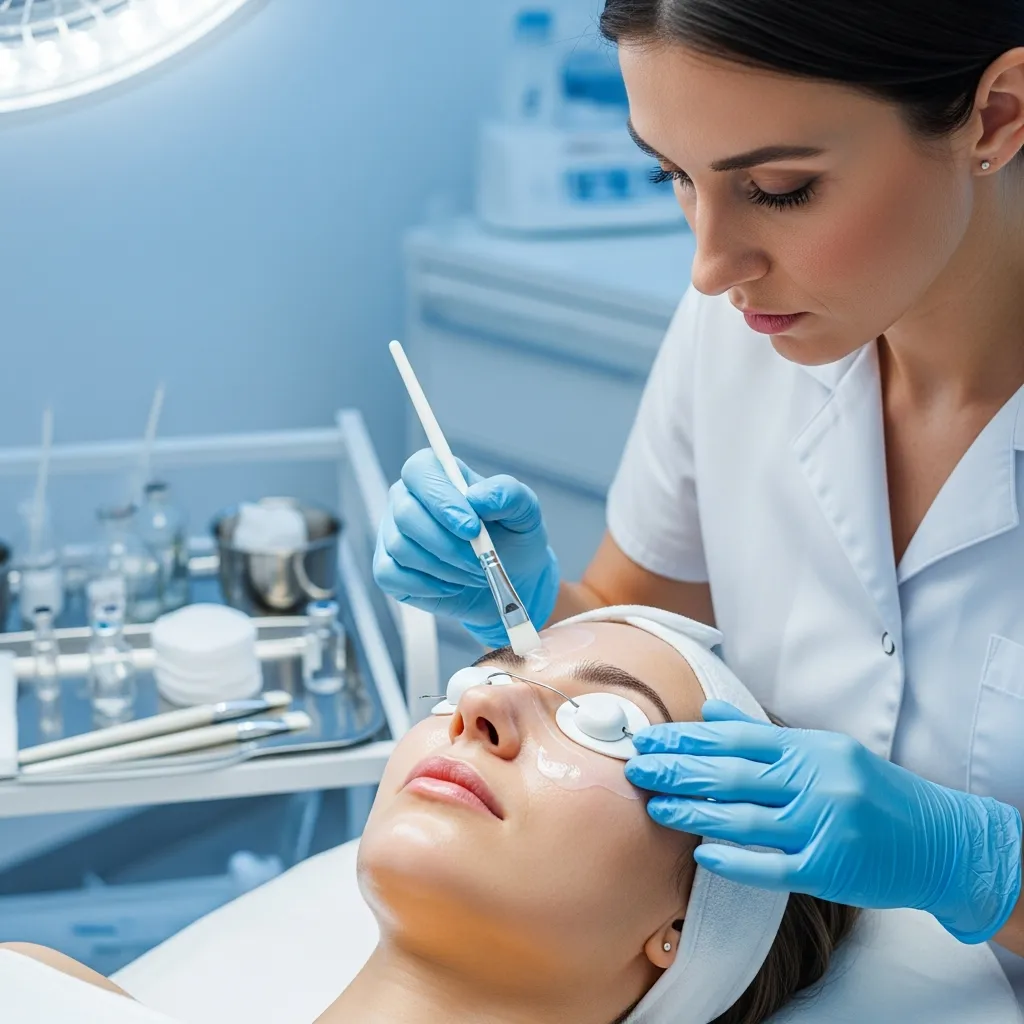
Chemical peels are like pressing the reset button on your skin. Dermatologists apply solutions containing glycolic acid, salicylic acid, lactic acid, or TCA (trichloroacetic acid) to remove pigmented layers of skin.
What happens during the procedure:
- Your skin is thoroughly cleansed
- The chemical solution is applied based on your tan severity
- You’ll feel a tingling or mild burning sensation
- The solution penetrates and exfoliates damaged layers
- Over the next 5-7 days, old skin peels away
- Fresh, brighter skin emerges underneath
Expected results: Most people notice visible improvement after 1-2 sessions, but you’ll typically need 4-6 treatments spaced 3-4 weeks apart for optimal results.
Aftercare is crucial:
- Avoid sun exposure for at least one week
- Use gentle cleansers only
- Moisturize religiously
- Apply SPF 50+ sunscreen daily
- No harsh scrubs or retinoids until skin heals
Cost consideration: Chemical peels range from $100-$300 per session depending on the type and location.
Laser Toning: The High-Tech Solution
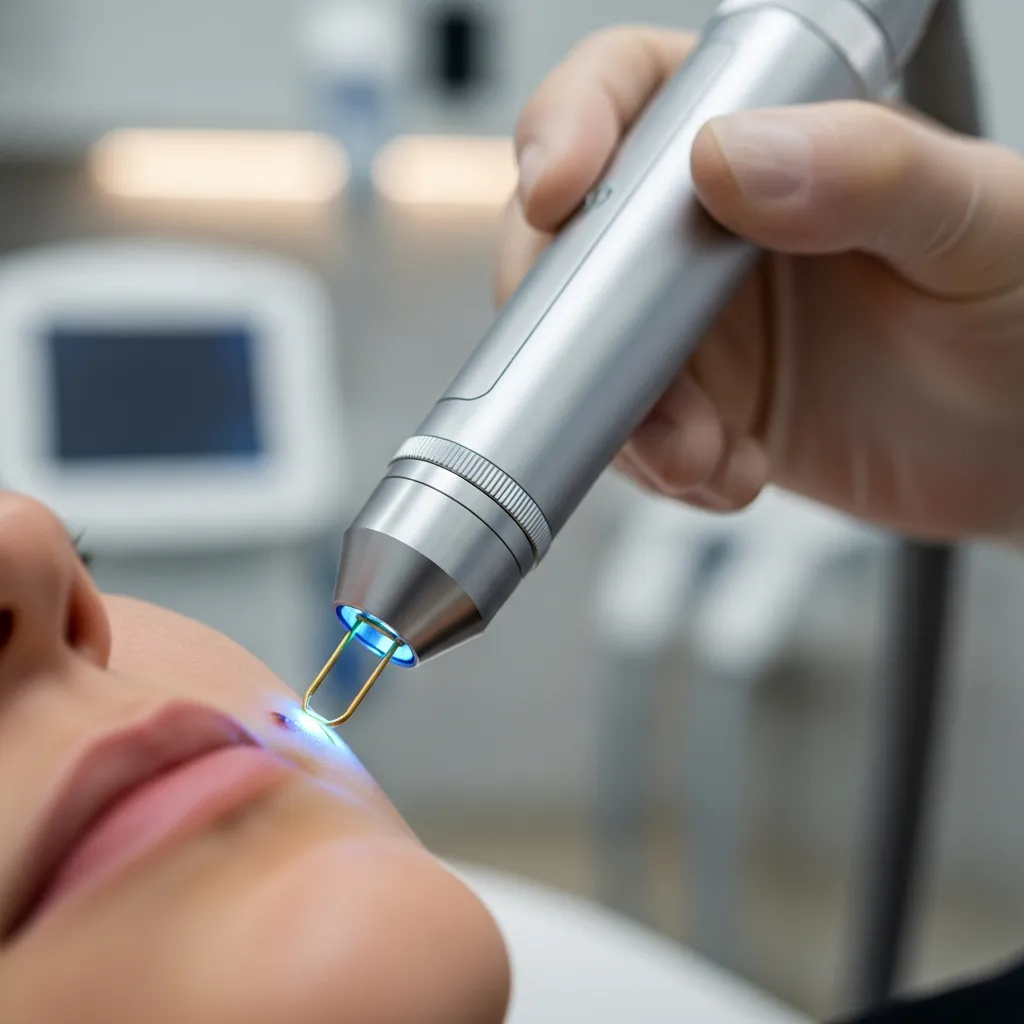
Laser therapy is the gold standard for stubborn pigmentation. Q-switched lasers or fractional lasers target and literally break down excess melanin at the cellular level without damaging surrounding tissue.
The process:
- The dermatologist uses a handheld laser device
- Short pulses of light energy penetrate the skin
- Melanin absorbs the energy and fragments
- Your body naturally eliminates the broken-down pigment
- Each session lasts 20-30 minutes
What to expect: You’ll see immediate lightening after your first session, but 4-6 sessions are typically recommended for complete tan removal.
Recovery and precautions:
- Minimal to no downtime
- Avoid sun exposure completely during treatment period
- Use soothing creams as prescribed
- Expect slight redness for 24-48 hours
- Results are more permanent than other treatments
Investment: Laser treatments are pricier, ranging from $200-$600 per session, but they’re also the most effective for deep, persistent tans.
Microdermabrasion: The Crystal Clear Option
Think of this as a super-powered exfoliation. Microdermabrasion uses fine crystals or a diamond-tipped wand to physically buff away the top layer of tanned, dead skin.
Two methods available:
- Crystal microdermabrasion: Tiny crystals are sprayed onto skin through a wand
- Diamond-tip microdermabrasion: A diamond-tipped applicator directly exfoliates the skin
Benefits:
- Non-invasive and painless
- No downtime required
- Improves skin texture along with removing tan
- Suitable for all skin types
- Each session takes about 30-45 minutes
Realistic expectations: This works best for surface-level tanning. You’ll need 4-6 sessions for noticeable results, scheduled 2-4 weeks apart.
Topical Lightening Treatments: The Medicated Approach
Dermatologists can prescribe specialized creams and serums that work at the molecular level to inhibit melanin production.
Key active ingredients to look for:
- Kojic Acid: Extracted from fermented mushrooms, it prevents melanin formation
- Niacinamide (Vitamin B3): Reduces melanin transfer by more than 50%
- Vitamin C: Powerful antioxidant that brightens and repairs sun damage
- Retinol: Accelerates cell turnover to reveal fresh skin
- Azelaic Acid: Targets hyperpigmentation and evens skin tone
- Arbutin: Natural lightening agent derived from bearberry plants
- Licorice Extract: Contains glabridin that inhibits melanin production
How to use prescription lightening treatments:
- Apply only at night as directed
- Use consistently for 8-12 weeks minimum
- Always pair with sunscreen during the day
- Start with lower concentrations if you have sensitive skin
- Never use without dermatologist consultation
Important warning: Avoid unregulated “skin whitening” products, especially those ordered online. They may contain dangerous ingredients like mercury or excessive steroids.
Advanced Combination Therapies
The latest trend in dermatology is combining multiple treatments for enhanced results. Clinics now offer customized packages that might include:
- Chemical peel + laser toning
- Microdermabrasion + vitamin C infusion
- HydraFacial with lightening serums
- Glutathione IV therapy for overall skin brightening
These combination approaches work synergistically, targeting tan removal from multiple angles simultaneously for faster, more dramatic results.
Finasteride and Dutasteride: Your Complete Guide to Hair Loss Treatment, Benefits, and Side Effects
Is Cetaphil good for your face?
The Prevention Playbook: Because Prevention Really Is Better Than Cure
Here’s a truth bomb: No treatment, no matter how expensive, will work permanently if you don’t change your sun habits. I’ve seen people spend thousands on treatments only to undo everything with a single beach weekend.
Your Daily Non-Negotiables:
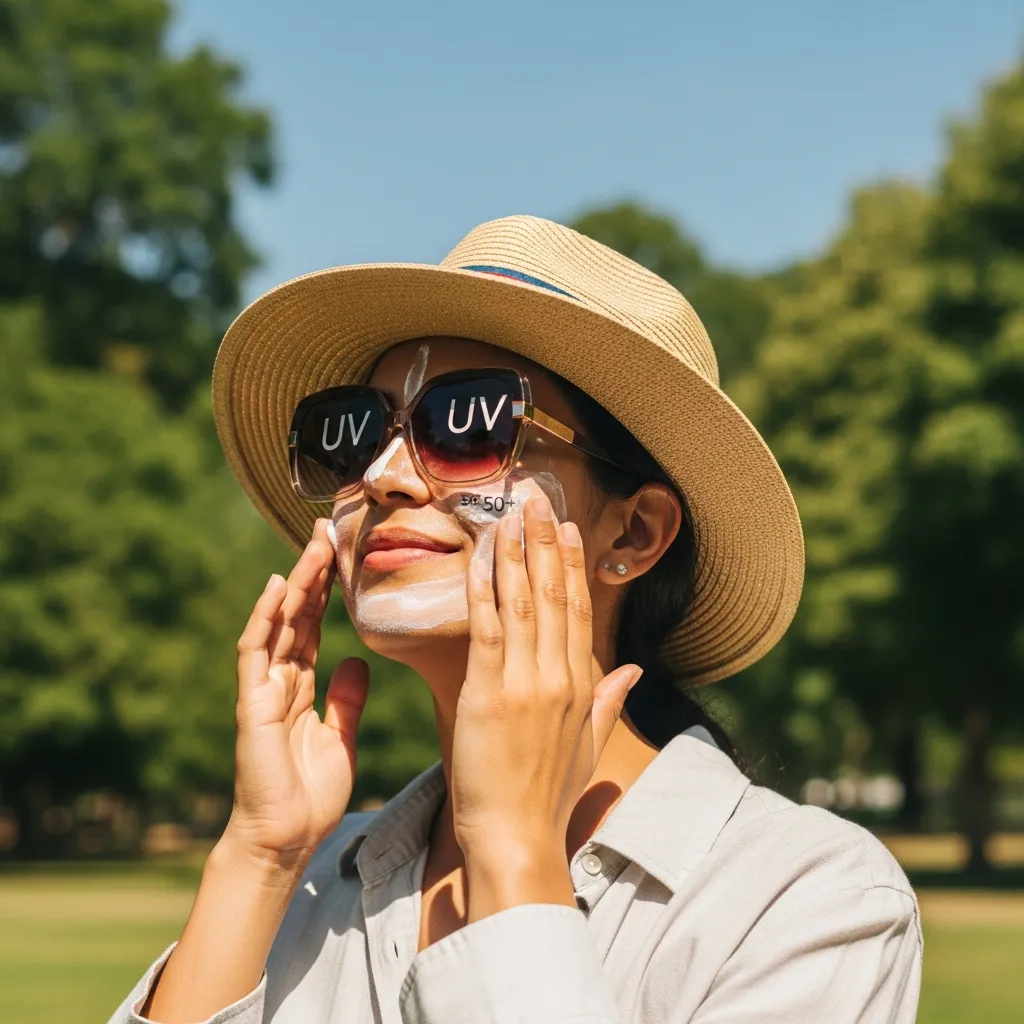
1. Sunscreen is Your Best Friend—Not Negotiable
- Apply broad-spectrum SPF 30 minimum (SPF 50+ is better)
- Reapply every 2 hours when outdoors
- Use sunscreen INDOORS too—UV rays penetrate windows
- Apply generously: most people use only 25% of the required amount
- Don’t forget neck, hands, ears, and feet
2. Avoid Peak Sun Hours
The sun is most aggressive between 10 AM and 4 PM. If your shadow is shorter than you, you’re in danger. Plan outdoor activities for early morning or late afternoon.
3. Dress for Sun Protection
- Wear wide-brimmed hats (at least 3 inches)
- Choose tightly woven fabrics
- Opt for long sleeves when possible
- UV-protective clothing is worth the investment
- Don’t forget sunglasses with UV protection
4. Create Shade Wherever You Go
Carry a UV-blocking umbrella, seek tree cover, or use portable sun shelters. Your skin will thank you for every minute spent in shade.
5. Hydrate From Within
Drink at least 8-10 glasses of water daily. Hydrated skin repairs itself faster and maintains its natural tone better.
6. Develop a Consistent Skincare Routine
- Cleanse twice daily with gentle cleanser
- Exfoliate 1-2 times weekly (don’t overdo it)
- Moisturize morning and night
- Use antioxidant serums (Vitamin C is excellent)
- Never skip your nighttime routine
Busting Common Tan Removal Myths
Let me save you from some mistakes I’ve seen people make repeatedly:
Myth #1: “Lemon juice instantly removes tan”
Reality: Lemon can help over time but using it undiluted will irritate and potentially burn your skin. It’s also photosensitive, making your skin MORE susceptible to sun damage if used before going out.
Myth #2: “Tanning is permanent after it sets in”
Reality: No tan is truly permanent. With proper treatment and sun protection, you can always restore your natural skin tone—it just takes time and consistency.
Myth #3: “You only need sunscreen in summer”
Reality: UV rays are present year-round, even on cloudy days. Winter sun can tan you just as effectively as summer sun.
Myth #4: “Dark skin doesn’t need sun protection”
Reality: While darker skin has more natural melanin protection, it’s still vulnerable to sun damage, hyperpigmentation, and skin cancer. Everyone needs sun protection, regardless of skin tone.
Myth #5: “Home remedies work overnight”
Reality: Natural treatments typically take 3-4 weeks of consistent use to show visible results. Patience and consistency are key.
My Personal Recommendations After 100 Years (Figuratively!) of Observation
If I had to choose based on different scenarios:
For mild, recent tan:
Start with home remedies—the lemon-honey or yogurt-turmeric combo works beautifully. Combine with disciplined sun protection, and you’ll see results in 3-4 weeks.
For moderate, persistent tan:
Consider 2-3 sessions of chemical peels combined with a dermatologist-prescribed lightening serum. Continue with home remedies for maintenance.
For deep, stubborn, or patchy tan:
Invest in laser toning (4-6 sessions) for the fastest, most effective results. Follow up with proper skincare and strict sun protection to maintain results.
For sensitive skin:
Start with cucumber, aloe vera, and oatmeal-buttermilk scrubs. If you need professional treatment, opt for gentle chemical peels with lower concentrations or microdermabrasion.
For those on a budget:
Home remedies can be remarkably effective if used consistently. The key is patience and religious sun protection. Save professional treatments for special occasions or stubborn areas.
The Reality Check: Setting Realistic Expectations
Here’s something nobody talks about enough: tan removal isn’t a one-time fix. Your skin is constantly renewing itself, and your lifestyle significantly impacts results.
Natural remedies typically show results in 3-4 weeks with consistent use. Chemical peels and lasers work faster—you’ll notice changes within 1-2 weeks—but require multiple sessions. No treatment works overnight, and anyone promising instant results is lying.
Also, understand that “permanent tan removal” really means “restoring your natural skin tone and maintaining it.” Your skin will always respond to UV exposure by producing melanin—that’s biology. The goal is to minimize damage, repair existing tan, and prevent future darkening.
Your Action Plan Starting Today
Let me break this down into a simple roadmap:
Week 1-2: Assessment and Protection
- Evaluate your tan severity
- Start using SPF 50+ sunscreen religiously
- Begin with gentle home remedies (aloe vera, cucumber)
- Book a dermatologist consultation if tan is severe
Week 3-6: Active Treatment
- Continue home remedies 2-3 times weekly
- Add exfoliation once weekly
- Consider professional treatments if needed
- Maintain strict sun protection
Week 7-12: Maintenance and Monitoring
- Continue treatments that worked best
- Evaluate progress and adjust routine
- Establish long-term prevention habits
- Schedule follow-up treatments if necessary
Beyond 12 weeks: Lifelong Commitment
- Make sun protection a daily habit
- Monthly deep exfoliation
- Quarterly skin check-ups
- Annual professional treatments if desired
FAQs: Your Burning Questions Answered
How long does it actually take to completely remove tan from the face?
The timeline varies significantly based on several factors: the depth and intensity of your tan, your natural skin tone, the treatment method chosen, and your consistency with both treatment and sun protection. For a mild, recent tan using home remedies consistently, expect visible fading within 2-3 weeks and complete restoration of your natural tone within 4-6 weeks. For moderate tans treated with chemical peels or microdermabrasion, you’ll see substantial improvement after 4-6 sessions over 2-3 months. Deep, persistent tans requiring laser treatment typically show dramatic results within 6-8 weeks across 4-6 sessions. However, here’s the crucial part: results are only “permanent” if you maintain strict sun protection afterwards. Without sunscreen and sun-safe habits, you’ll develop new tan continuously. Your skin doesn’t have a memory—it simply responds to UV exposure. So, complete removal is possible, but maintaining that result is a lifelong commitment to sun protection.
Can I use multiple home remedies together, or should I stick to one method?
This is an excellent question that many people get wrong. You can absolutely combine home remedies, but you need to be strategic and cautious about it. The key is understanding which ingredients complement each other and which might cause irritation when combined. Safe combinations include alternating different treatments throughout the week rather than mixing them in one application. For example, use lemon-honey mask on Monday and Wednesday, aloe vera overnight Tuesday and Thursday, and a gentle oatmeal scrub on Saturday. This approach gives your skin variety without overwhelming it. However, never combine multiple acidic ingredients (like lemon and tomato) in one application, as this can seriously irritate your skin. Also, if you’re using any prescription treatments from a dermatologist, always consult them before adding home remedies to your routine. Some combinations can reduce effectiveness or cause adverse reactions. Start slowly—introduce one remedy, use it for a week, observe how your skin responds, then gradually add others. Listen to your skin—if you notice redness, excessive dryness, or irritation, you’re doing too much.
Are professional chemical treatments safe, or do they damage the skin?
Professional dermatological treatments, when performed by qualified, certified dermatologists, are extremely safe and FDA-approved. The key phrase here is “qualified dermatologist”—never get chemical peels or laser treatments at unregulated beauty salons or spas. These treatments work through controlled, calculated damage that stimulates your skin’s natural healing process. Chemical peels use specific concentrations of acids that are carefully selected based on your skin type, tan severity, and sensitivity level. Laser treatments are even more precise, targeting only melanin-rich cells while leaving surrounding tissue unharmed. That said, they’re not without temporary side effects. You might experience redness, mild stinging, dryness, and peeling for several days after treatment—this is completely normal and expected. The “damage” concern comes from improper application, using too-strong concentrations, or neglecting aftercare. When performed correctly with proper pre-treatment assessment and post-treatment care, these procedures are remarkably safe and effective. The real risk is attempting DIY chemical treatments at home or going to uncertified practitioners to save money. Professional treatments also come with the advantage of customization—your dermatologist can adjust concentrations and techniques specifically for your skin.
Will my tan come back if I stop using remedies or get sun exposure again?
The honest answer is yes—but with an important nuance. Once you’ve successfully removed existing tan, your skin returns to its natural baseline tone. However, tanning is your skin’s response to UV damage, not a one-time event. Every time UV rays hit your skin, melanocytes will produce melanin to protect deeper layers—that’s basic biology and you can’t change it. So if you stop sun protection and get significant sun exposure again, you will develop new tan. This doesn’t mean your treatment “failed” or that tan removal is pointless. Think of it like teeth whitening—results are long-lasting if you maintain good habits, but will fade if you resume staining behaviors. The solution is making sun protection a permanent lifestyle change, not a temporary measure during treatment. Use broad-spectrum sunscreen daily (even indoors), reapply every two hours when outdoors, wear protective clothing, and avoid peak sun hours. If you do these things consistently, your natural tone will remain stable. Occasional sun exposure won’t immediately darken your skin if you’re protected. The key is prevention becomes your new normal, not something you do temporarily.
Is there any difference between removing tan from the face versus body?
Yes, there are several important differences you need to understand. Facial skin is significantly thinner, more sensitive, and more exposed to environmental factors than body skin, which means it responds faster to both sun damage and treatments—but it’s also more prone to irritation. Because of this, treatments that work wonderfully on your body might be too harsh for your face. For instance, you might use stronger concentrations of exfoliating scrubs on your arms and legs, but need gentler formulations for your face. The face also has more sebaceous (oil) glands, making it more reactive to certain ingredients. Additionally, facial skin renews itself slightly faster than body skin, which means tan might fade more quickly from your face with proper treatment—but it also tends to tan faster and more noticeably. Your face is constantly exposed to sun, while your body is often covered by clothing. When choosing treatments, always opt for products specifically labeled “for face” when treating facial tan—they’re formulated with appropriate concentrations for delicate facial skin. For the body, you can be slightly more aggressive with exfoliation and treatment frequency. Also consider that facial skin is more visible, so any adverse reactions (redness, peeling, irritation) will be more noticeable and potentially embarrassing. Always patch test new products on your jawline before applying to your entire face.
Final Thoughts: Your Journey to Radiant Skin
After observing skincare evolution across generations, here’s my most important advice: be patient with your skin and be consistent with your care. The combination of smart home remedies, professional treatments when necessary, and unwavering sun protection will restore your natural glow.
Remember, your skin is unique. What works wonderfully for your friend might not work for you. Don’t be afraid to experiment (safely) and find your perfect combination. And most importantly, make sun protection a non-negotiable daily habit—future you will thank present you.
Your natural skin tone is beautiful. Let’s help you rediscover it.
Disclaimer: This blog post is for informational purposes only and is not a substitute for professional medical advice. Always consult a certified dermatologist before starting any new skincare treatment, especially if you have sensitive skin, existing skin conditions, or are using prescription medications. Results vary by individual, and what works for one person may not work for another.