
When it comes to skincare, Cetaphil has been a household name for over 75 years. Dermatologists recommend it, sensitive skin loves it, and it’s available in drugstores worldwide. But if you’re someone who cares about animal welfare, you’re probably wondering: Is Cetaphil cruelty free?
The short answer might disappoint you. Despite Cetaphil’s gentle reputation and widespread use, the brand is not cruelty-free. But there’s much more to this story than a simple yes or no. In this comprehensive guide, we’ll dive deep into Cetaphil’s animal testing policies, explore what makes a brand truly cruelty-free, and help you make informed decisions about your skincare choices.
Cetaphil Moisturizing Lotion: Comprehensive Review and Personal Insights
Cetaphil Gentle Skin Cleanser Review – A Skincare Essential
The 10 Best Vitamin C Face Washes for Radiant, Glowing Skin
Understanding What “Cruelty-Free” Really Means
Before we examine Cetaphil specifically, let’s clarify what cruelty-free actually means in the beauty industry.
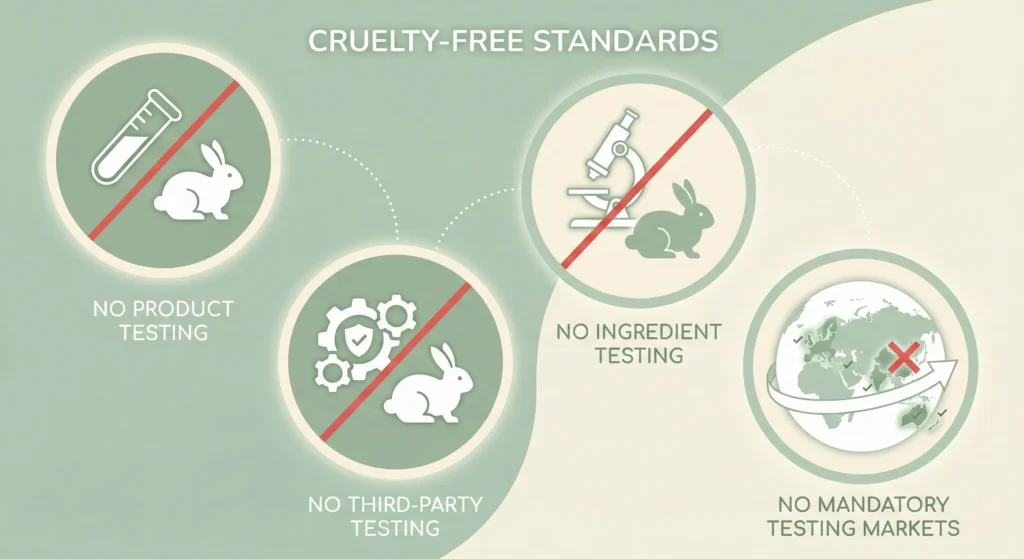
A brand is considered cruelty-free when:
- The company doesn’t test finished products on animals
- Their suppliers don’t test ingredients on animals
- They don’t allow third parties to test on their behalf
- They refuse to sell in markets where animal testing is mandatory by law
This last point is crucial and where many popular brands, including Cetaphil, fall short.
The Truth About Cetaphil and Animal Testing
Cetaphil’s Official Stance
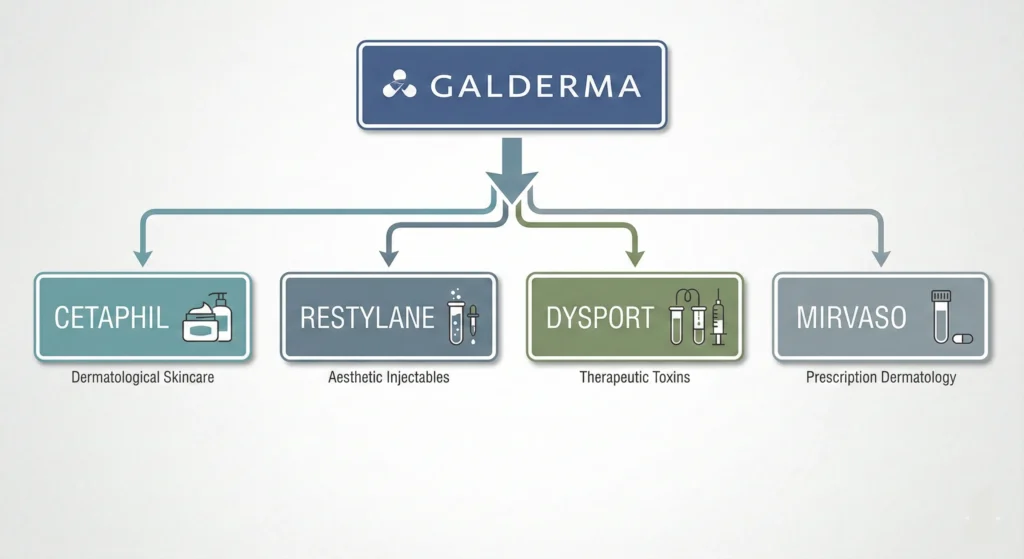
Cetaphil’s parent company, Galderma, states they don’t test products on animals except when mandated by regulatory authorities, particularly when selling in mainland China. This “except where required by law” clause is what disqualifies Cetaphil from being truly cruelty-free.
On their website, Cetaphil claims they don’t test products on animals during development or manufacturing. However, this statement has a significant caveat that many consumers miss.
The China Problem
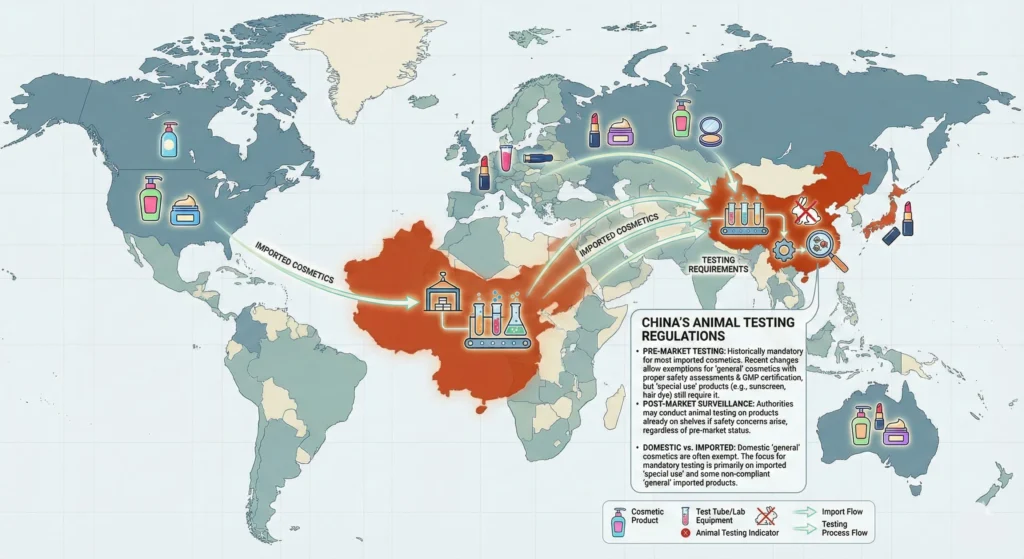
Cetaphil products are available for sale in countries with mandatory animal testing, which means their products were likely tested on animals. When cosmetic companies sell products in physical stores in mainland China, they must comply with local regulations that often require animal testing for imported cosmetics.
While China has made some progress in relaxing these requirements since 2021, not every brand qualifies for exemptions, and certain ingredients, products, and claims may still trigger animal tests during registration. Cetaphil has not publicly indicated that they’ve taken steps to meet the criteria for avoiding animal testing in China.
What This Means in Practice
When Cetaphil chooses to sell in markets requiring animal testing, here’s what happens:
- They consent to testing: Even if Cetaphil doesn’t conduct tests themselves, they authorize Chinese authorities to test their products
- They fund the testing: Companies pay for these mandatory tests as part of market entry costs
- They prioritize profit over principles: The decision to enter these markets shows market access matters more than animal welfare commitments
It’s estimated that close to 100,000 rabbits are used in animal testing for cosmetics each year in China alone. While Cetaphil doesn’t execute these tests directly, they bear responsibility by choosing to participate in this system.
The Parent Company Factor: Galderma’s Role
Understanding Cetaphil’s parent company helps explain their policies better.
Who Owns Cetaphil?
Cetaphil is owned by Galderma, a pharmaceutical company that was previously jointly owned by L’Oreal and Nestlé, and still engages in animal testing. Galderma operates in the pharmaceutical sector, where animal testing remains standard practice for drug development.
This creates a fundamental conflict. While Galderma claims commitment to reducing animal testing in cosmetics, their pharmaceutical business necessitates animal studies. This dual nature makes achieving true cruelty-free status across all brands nearly impossible.
Why Parent Companies Matter
Some consumers choose to boycott brands owned by parent companies that test on animals, while others focus solely on individual brand practices. Here’s why the parent company relationship matters:
- Shared resources: Parent companies often share suppliers and testing protocols across brands
- Financial support: Purchasing from subsidiary brands financially supports the parent company’s practices
- Policy influence: Parent company priorities typically override individual brand commitments
Is Cetaphil Certified Cruelty-Free?
No. Cetaphil is not certified by any cruelty-free organizations. The two most recognized certifications in the industry are:
- Leaping Bunny (administered by Cruelty Free International)
- PETA’s Beauty Without Bunnies program
These certifications require:
- Comprehensive supplier monitoring systems
- Fixed cut-off dates after which no animal testing occurs
- Regular audits and verification
- Commitment to refusing sales in mandatory testing markets
Cetaphil has none of these certifications, which confirms their non-cruelty-free status according to the most stringent industry standards.
What About Vegan? Is Cetaphil Vegan?
It’s important to understand that “cruelty-free” and “vegan” are two different standards.
The Difference
- Cruelty-free relates to animal testing practices
- Vegan refers to whether products contain animal-derived ingredients
Cetaphil’s Vegan Status
Several best-selling Cetaphil products are now formulated without animal-derived components, but not every Cetaphil product is vegan, and they aren’t officially certified vegan.
Some Cetaphil products may contain ingredients like:
- Beeswax (made by bees)
- Glycerin (can be animal or plant-derived)
- Stearic acid (can be animal or plant-derived)
- Various other ingredients with ambiguous sourcing
Since Cetaphil isn’t cruelty-free, many ethical consumers wouldn’t consider any of their products truly vegan, regardless of ingredients. The vegan philosophy typically encompasses both ingredients and testing practices.
Cetaphil’s Sustainability Efforts: A Silver Lining?
While Cetaphil falls short on animal testing, they have made commitments to environmental sustainability.
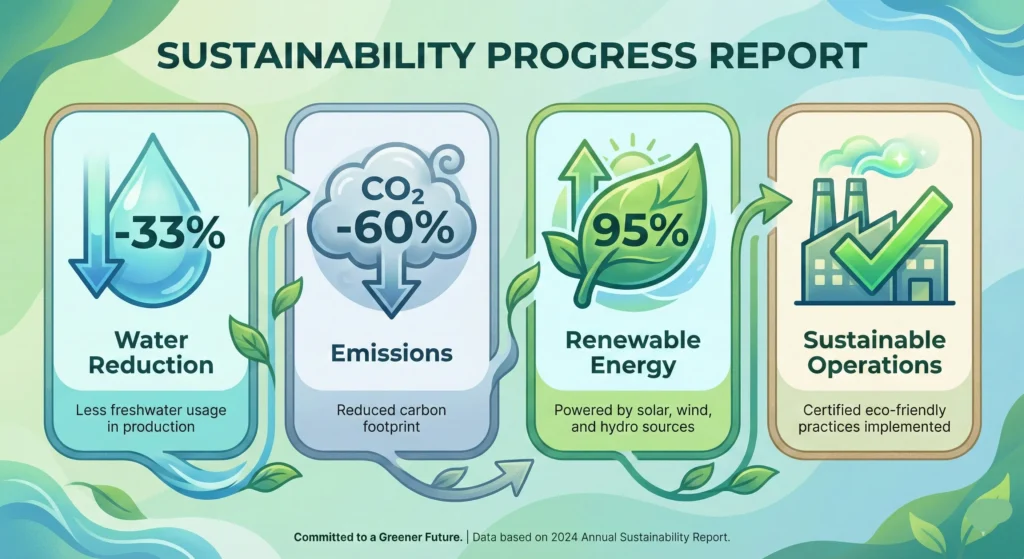
Since 2010, Cetaphil and Galderma have reduced water usage per tonne of product by 33% and cut factory CO₂ emissions by over 60%, with roughly 95% of production plant electricity now coming from renewable sources.
Their “Clear Skies” initiative focuses on:
- Reducing environmental impact
- Formulating with cleaner ingredients
- Using smarter packaging
- Supporting communities
However, for consumers prioritizing animal welfare, these sustainability achievements don’t offset the animal testing concerns.
Why Do Brands Still Test on Animals?
Understanding why companies like Cetaphil continue these practices helps contextualize the issue:
Market Access
China represents a massive market opportunity. For many beauty brands, the financial incentive to enter this market outweighs ethical concerns about animal testing.
Regulatory Requirements
Some countries still legally require animal testing for cosmetic safety verification, though this is decreasing globally.
Corporate Structure
When parent companies operate in multiple sectors (like pharmaceuticals and cosmetics), maintaining consistent testing policies across all divisions becomes complicated.
Historical Practices
Changing long-established testing protocols and supplier relationships requires significant investment and restructuring.
Cruelty-Free Alternatives to Cetaphil
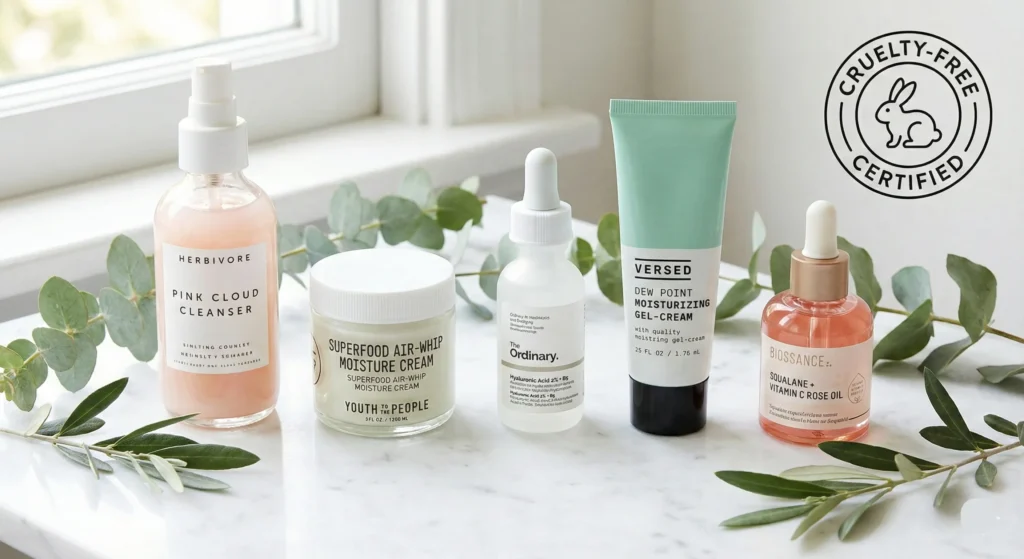
The good news? If you’re looking for gentle, dermatologist-approved skincare without the ethical concerns, plenty of excellent alternatives exist.
Top Cruelty-Free Cetaphil Alternatives
For Gentle Cleansing:
- The Ordinary Squalane Cleanser: PETA-certified, affordable, and effective for all skin types
- Pacifica Vegan Ceramide Extra Gentle Facewash: Formulated specifically for sensitive skin with vegan ceramides
- Versed Gentle Cycle Milky Jelly Cleanser: Leaping Bunny certified with a cult following
For Moisturizing:
- First Aid Beauty Ultra Repair Cream: National Eczema Association recognized and completely cruelty-free
- Mad Hippie Ultra-Rich Barrier Cream: Contains hyaluronic acid and ceramides for intense hydration
- Bliss Mighty Biome Nourishing Moisturizer: Budget-friendly and dermatologist-tested
For Complete Skincare Lines:
- Paula’s Choice: Extensive range for various skin concerns
- Derma E: Affordable, widely available, and 100% vegan
- Acure: Natural, cruelty-free, and suitable for sensitive skin
- CeraVe alternatives: Yes, CeraVe also isn’t cruelty-free, but brands like Versed offer similar formulations
How to Find Truly Cruelty-Free Products
Making ethical skincare choices becomes easier when you know what to look for:
Look for Certifications
Check for Leaping Bunny or PETA logos on packaging. These third-party verifications provide assurance that companies meet strict standards.
Research Before You Buy
Use resources like:
- Cruelty-Free Kitty’s database
- Logical Harmony’s brand lists
- Ethical Elephant’s guides
- PETA’s searchable database
Read Beyond Marketing Claims
Phrases like “we don’t test on animals” can be misleading if there’s an “except where required by law” caveat hidden in fine print.
Ask Direct Questions
Contact brands directly and ask:
- Do you test finished products on animals?
- Do your suppliers test ingredients on animals?
- Do you sell in countries requiring animal testing?
- Are you certified by third-party organizations?
Check the Parent Company
Research who owns the brand and their testing policies, as this can influence your purchasing decisions.
The Evolution of Beauty Standards
The beauty industry is slowly changing, driven by consumer demand for ethical products.
Progress Made
- More brands achieving cruelty-free certification
- China gradually relaxing testing requirements
- Development of alternative testing methods like in-vitro testing and computer modeling
- Increased transparency from companies about testing practices
Challenges Remaining
- Many major brands still prioritize profit over ethics
- Regulatory inconsistencies across countries
- Lack of universal standards for cruelty-free claims
- Greenwashing and misleading marketing
Making Your Decision: Should You Use Cetaphil?
Ultimately, whether to continue using Cetaphil depends on your personal values and priorities.
Consider Using Cetaphil If:
- You have extremely sensitive skin and Cetaphil is the only product that works for you
- You prioritize effectiveness over ethical considerations
- You don’t consider China’s regulatory testing as problematic
- You believe in supporting brands within non-cruelty-free parent companies to encourage change
Consider Switching If:
- Animal welfare is a non-negotiable priority
- You want to support truly cruelty-free brands
- You can find alternative products that work for your skin
- You prefer to vote with your wallet for ethical practices
There’s no judgment either way. Many people with severe skin conditions have limited options, and skin health matters too.
The Bottom Line
Cetaphil is not cruelty-free. While they claim not to test on animals during development, their presence in markets requiring animal testing and their parent company’s practices disqualify them from cruelty-free status by any recognized standard.
Cetaphil allows animal testing when required by law and has no firm commitment to ending this practice entirely. This policy puts them firmly outside the cruelty-free category, despite their reputation as a gentle, dermatologist-recommended brand.
The beauty industry is evolving, and consumer pressure does create change. By choosing cruelty-free alternatives when possible, you contribute to a market shift that may eventually convince even major brands like Cetaphil to reconsider their policies.
Remember: your purchasing decisions have power. Whether you choose to continue with Cetaphil or switch to cruelty-free alternatives, making informed choices based on your values is what matters most.
Frequently Asked Questions (FAQs)
Does Cetaphil test on animals in 2025?
Yes, Cetaphil allows animal testing when required by law, particularly for products sold in mainland China. While they claim not to conduct tests during development, they consent to and fund mandatory testing in certain markets.
Is Cetaphil owned by a company that tests on animals?
Yes, Cetaphil is owned by Galderma, a pharmaceutical company that engages in animal testing. Galderma was previously jointly owned by L’Oreal and Nestlé, both of which have histories of animal testing.
Has Cetaphil made any statements about becoming cruelty-free?
Cetaphil has not made any public commitment to becoming fully cruelty-free or to removing their products from markets requiring animal testing. Their current policy maintains the “except where required by law” exception.
Are any Cetaphil products cruelty-free?
No. Since Cetaphil as a company is not cruelty-free, none of their individual products can be considered cruelty-free, even if some weren’t directly tested. Cruelty-free status applies at the company level, not product-by-product.
Can I trust Cetaphil’s “not tested on animals” claims?
Cetaphil’s claims require careful reading. They don’t test during development in some regions, but this doesn’t mean no animal testing occurs. Their presence in China and the “except where required by law” clause mean animal testing does happen.
Why do dermatologists still recommend Cetaphil if it’s not cruelty-free?
Dermatologists typically recommend products based on effectiveness, ingredient safety, and clinical results for skin conditions. Ethical considerations like animal testing aren’t usually part of medical recommendations, though some dermatologists are beginning to consider these factors.
What’s the difference between cruelty-free and vegan skincare?
Cruelty-free means no animal testing at any stage. Vegan means the product contains no animal-derived ingredients. A product can be vegan but not cruelty-free (if tested on animals), though true vegan philosophy typically encompasses both aspects.
Will China’s new regulations make Cetaphil cruelty-free?
Not automatically. While China has relaxed some testing requirements since 2021, exemptions only apply to specific product categories under strict conditions. Cetaphil hasn’t confirmed meeting these criteria, and some testing remains mandatory.
Are there medical-grade cruelty-free alternatives to Cetaphil?
Yes! Brands like First Aid Beauty, Paula’s Choice, and Derma E offer dermatologist-tested, medical-grade formulations without animal testing. Many have products specifically designed for sensitive skin and various skin conditions.
How can I tell if other brands are truly cruelty-free?
Look for Leaping Bunny or PETA certification logos, research brands on cruelty-free databases like Cruelty-Free Kitty or Logical Harmony, read company policies carefully for “required by law” exceptions, and check if they sell in mainland China stores.
Does buying Cetaphil support animal testing financially?
Yes. When you purchase Cetaphil products, you’re supporting a company that funds animal testing in certain markets and a parent company that conducts animal testing for pharmaceutical products. Your money flows to these practices.
Is Cetaphil planning to reformulate to become vegan?
Cetaphil has already reformulated some products to be free of animal-derived ingredients, but they’re not certified vegan and not all products are vegan. However, since they’re not cruelty-free, these vegan formulations don’t meet ethical vegan standards.
Final Thoughts: Choosing skincare products that align with your ethics doesn’t mean sacrificing effectiveness. The growing market of cruelty-free alternatives proves you can have both gentle, effective skincare and peace of mind about animal welfare. Research your options, ask questions, and make choices that feel right for you.