

Have you ever stopped to read the ingredient list on your favorite moisturizer or shampoo? If you’re like most people, you probably encountered a string of unpronounceable chemical names that left you more confused than informed. This growing awareness about what we put on our skin has sparked a beauty revolution, and at the heart of it lies herbal cosmetics.
But what exactly are herbal cosmetics, and why is everyone from your grandmother to your favorite Instagram influencer talking about them? What is Herbal Cosmetics? Let me take you on a journey through the world of natural beauty products that have been trusted for centuries and are now making a powerful comeback in modern skincare.
Is Judydoll Good Quality in 2024?
Is Flower Knows Safe In 2024 – Yang Zifeng Flower Knows Makeup Reviews
My Honest Review: JiYu Toning Polish Pads Transformed My Skin
Understanding Herbal Cosmetics: Back to Basics
Herbal cosmetics, also known as natural or botanical cosmetics, are beauty and personal care products formulated primarily using plant-based ingredients. These products harness the therapeutic properties of herbs, flowers, roots, seeds, and other natural botanicals to nourish, protect, and enhance our skin and hair.
Unlike conventional cosmetics that rely heavily on synthetic chemicals, petroleum derivatives, and artificial fragrances, herbal cosmetics embrace the wisdom of nature. They’re crafted from ingredients you might actually recognize, like aloe vera, turmeric, neem, rose water, coconut oil, and chamomile.
Think of herbal cosmetics as your skin’s best friend from nature. They work with your body’s natural processes rather than against them, providing gentle yet effective care without the harsh side effects often associated with chemical-laden products.

The Ancient Wisdom Meets Modern Science
The use of herbal ingredients in beauty care isn’t some trendy new discovery. Our ancestors have been using nature’s bounty for skincare and beauty rituals for thousands of years. Ancient Egyptian queens bathed in milk and honey, Indian Ayurvedic traditions prescribed turmeric and sandalwood for glowing skin, and Chinese herbalists created complex beauty formulations from medicinal plants.
What’s changed is that modern science has now validated many of these traditional practices. Researchers have identified the active compounds in herbs that make them so effective. For instance, we now know that turmeric contains curcumin, a powerful anti-inflammatory and antioxidant. We understand why aloe vera soothes burns through its polysaccharide content. This marriage of ancient wisdom and contemporary research has given birth to the modern herbal cosmetics industry.
Key Ingredients That Make Herbal Cosmetics Special
The beauty of herbal cosmetics lies in their star ingredients. Let me introduce you to some of the most popular botanical powerhouses:
Aloe Vera: Often called the “plant of immortality,” aloe vera is a hydration hero that soothes irritated skin, heals minor wounds, and provides deep moisture without greasiness.
Turmeric: This golden spice isn’t just for your curry. It’s a skincare superstar with anti-inflammatory and antibacterial properties that can brighten skin tone and combat acne.
Neem: Known as “nature’s pharmacy,” neem has been used in Ayurvedic medicine for centuries to treat skin conditions, fight acne-causing bacteria, and purify the skin.
Rose: Beyond its romantic fragrance, rose water balances skin pH, tightens pores, and provides gentle hydration suitable for all skin types.
Tea Tree Oil: This Australian native is a natural antiseptic that effectively treats acne, fungal infections, and various skin irritations.

Why People Are Switching to Herbal Cosmetics
The shift toward herbal cosmetics isn’t just a passing trend. There are compelling reasons why more people are embracing botanical beauty products:
Gentler on Sensitive Skin
If you’ve ever experienced redness, itching, or breakouts from conventional cosmetics, you’re not alone. Many synthetic ingredients can trigger allergic reactions or irritate sensitive skin. Herbal cosmetics, formulated with natural ingredients, tend to be much gentler and less likely to cause adverse reactions. They work in harmony with your skin’s natural barrier rather than disrupting it.
Environmental Consciousness
Every time we wash our face or take a shower, those cosmetic ingredients go down the drain and eventually into our waterways. Synthetic chemicals from conventional cosmetics can harm aquatic life and pollute our environment. Herbal cosmetics are typically biodegradable and have a significantly smaller ecological footprint. By choosing natural products, you’re not just caring for your skin but also for the planet.
Sustainable and Cruelty-Free
Most herbal cosmetic brands prioritize ethical practices. They’re often cruelty-free, meaning no animal testing, and many use sustainably sourced ingredients. When you buy herbal cosmetics, you’re supporting practices that respect both animals and the environment.

Long-Term Skin Health
While conventional products might offer quick fixes, herbal cosmetics focus on long-term skin health. They don’t just mask problems; they address root causes. Regular use of herbal products can improve your skin’s natural resilience, balance, and overall health over time.
Types of Herbal Cosmetic Products
The herbal cosmetics market has expanded beautifully to cover virtually every personal care need:
Skincare: Face washes, toners, moisturizers, serums, face masks, and exfoliators made with botanical ingredients target specific skin concerns naturally.
Haircare: Herbal shampoos, conditioners, hair oils, and hair masks strengthen hair, promote growth, and address issues like dandruff and hair fall without harsh sulfates and silicones.
Color Cosmetics: Natural lipsticks, kajal, blushes, and foundation made with mineral pigments and plant-based ingredients let you embrace makeup without compromising on health.
Body Care: Herbal soaps, body lotions, body scrubs, and bath products pamper your entire body with nature’s goodness.

How to Choose Quality Herbal Cosmetics
Not all products labeled “natural” or “herbal” are created equal. Here’s how to be a savvy shopper:
Read the Ingredient List: The first five ingredients make up the bulk of the product. Look for recognizable plant-based ingredients. Be wary of products with long lists of chemicals despite having “herbal” on the label.
Check for Certifications: Look for certifications like USDA Organic, Ecocert, or similar standards in your country that verify the natural and organic content.
Research the Brand: Choose brands transparent about their sourcing, manufacturing processes, and ingredient origins. Companies committed to herbal cosmetics will proudly share this information.
Understand Preservation: Herbal products need preservatives to prevent bacterial growth. Natural preservatives like vitamin E, rosemary extract, or radish root extract are better choices than synthetic parabens.
Patch Test: Even natural ingredients can cause reactions in some individuals. Always patch test new products on a small area before full application.

Making Herbal Cosmetics at Home
One of the beautiful aspects of herbal cosmetics is that you can create simple versions at home. Here are a few easy recipes to get you started:
Honey and Turmeric Face Mask: Mix one tablespoon of raw honey with a pinch of turmeric. Apply to clean skin, leave for 15 minutes, and rinse. This brightens skin and fights acne.
Aloe Vera and Rose Water Toner: Mix equal parts fresh aloe vera gel and rose water. Store in a spray bottle and use after cleansing to hydrate and balance skin pH.
Coconut Oil Hair Mask: Warm coconut oil with a few curry leaves or hibiscus petals. Apply to hair and scalp, leave for an hour, then shampoo. This deeply conditions hair and promotes growth.
Remember, homemade products lack commercial preservatives, so make small batches and use them within a week or store them in the refrigerator.
The Science Behind Herbal Effectiveness
You might wonder if herbal cosmetics are truly effective or just feel-good products. The answer is grounded in science. Plants produce secondary metabolites, phytochemicals, and bioactive compounds to protect themselves from environmental stress, UV radiation, and pathogens. When we apply these plant extracts to our skin, we benefit from these same protective properties.
For example, flavonoids found in green tea provide antioxidant protection against free radical damage. Polyphenols in many herbs have anti-inflammatory effects. Essential fatty acids in plant oils strengthen the skin barrier. Modern extraction and formulation techniques have made it possible to harness these benefits effectively while maintaining stability and shelf life.

Addressing Common Myths
Myth: Herbal cosmetics don’t work as quickly as chemical products. Truth: While some synthetic ingredients offer instant but temporary results, herbal products work with your skin’s natural processes for sustainable improvements. Some herbal ingredients, like tea tree oil for acne or aloe vera for sunburn, work quite rapidly.
Myth: Natural means 100% safe for everyone. Truth: Natural doesn’t automatically mean safe for all. Some people are allergic to certain plant ingredients. The key is knowing your skin and choosing ingredients that work for you.
Myth: Herbal cosmetics have a very short shelf life. Truth: While they may not last as long as products loaded with synthetic preservatives, properly formulated herbal cosmetics with natural preservatives can last 12-24 months when stored correctly.
The Future of Herbal Cosmetics
The herbal cosmetics industry is booming and shows no signs of slowing down. According to market research, consumers worldwide are increasingly prioritizing clean beauty, transparency, and sustainability. This demand is driving innovation in natural formulations, sustainable packaging, and ethical sourcing.
We’re seeing exciting developments like waterless beauty products that concentrate herbal benefits while reducing environmental impact, fermented ingredients that enhance bioavailability, and personalized herbal formulations based on individual skin needs.

Making the Switch: Your Journey to Natural Beauty
If you’re considering switching to herbal cosmetics, start slowly. You don’t need to throw out your entire beauty cabinet overnight. Begin by replacing one product at a time. Perhaps start with a gentle herbal face wash or a nourishing hair oil. Pay attention to how your skin and hair respond.
Give your skin time to adjust. When transitioning from synthetic to natural products, your skin might go through a brief adjustment period as it recalibrates. This is normal and typically temporary.
Document your journey. Take photos, keep notes about what works and what doesn’t. Your skin is unique, and finding the right herbal products for you is a personal journey worth documenting.
Conclusion: Embracing Nature’s Beauty Wisdom
Herbal cosmetics represent more than just a beauty trend; they’re a return to the wisdom of nature and a conscious choice to care for ourselves and our planet. In a world increasingly dominated by synthetic everything, choosing herbal cosmetics is an act of mindfulness, a way of saying yes to products that nourish rather than just mask, that heal rather than just conceal.
Whether you’re dealing with specific skin concerns, looking to reduce your chemical exposure, or simply want to align your beauty routine with your values, herbal cosmetics offer a gentle, effective, and sustainable path forward. Your skin is your body’s largest organ, absorbing much of what you apply to it. Doesn’t it deserve the pure, wholesome care that only nature can provide?
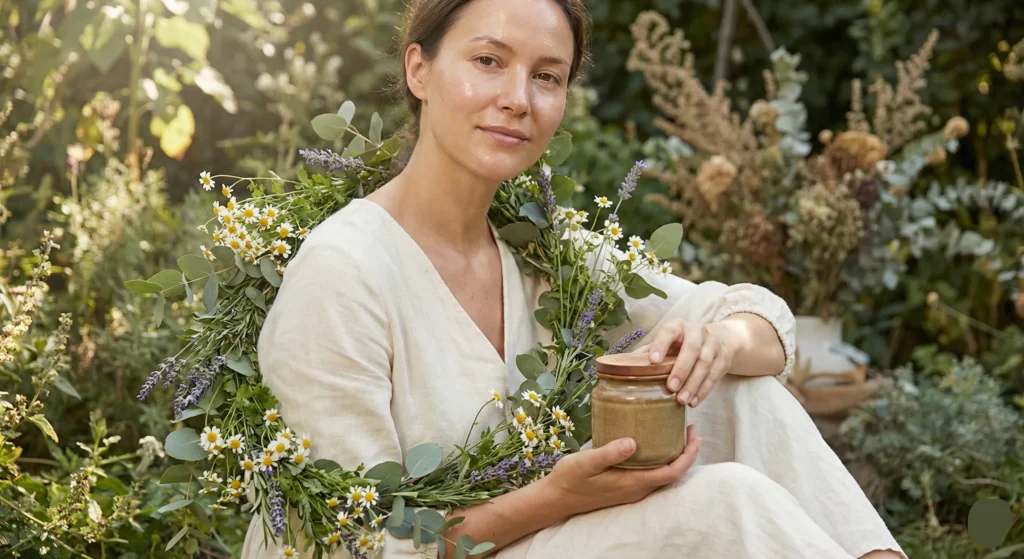
The journey to natural beauty isn’t about perfection—it’s about making choices that feel right for you, your skin, and the world we share. So why not start today? Your skin, and the planet, will thank you for it.
Frequently Asked Questions About Herbal Cosmetics
Are herbal cosmetics suitable for all skin types?
Yes, one of the greatest advantages of herbal cosmetics is their versatility. There are herbal formulations suitable for every skin type—dry, oily, combination, sensitive, or mature skin. The key is choosing products with ingredients that address your specific skin needs. For instance, tea tree and neem work wonderfully for oily, acne-prone skin, while almond oil and shea butter are perfect for dry skin. If you have sensitive skin, look for gentle ingredients like chamomile, calendula, and oat extract.
Are herbal cosmetics tested on animals?
Most herbal and natural cosmetic brands are cruelty-free and do not test on animals. In fact, many choose herbal formulations specifically because they align with ethical, cruelty-free values. However, always look for official cruelty-free certifications like Leaping Bunny or PETA’s Beauty Without Bunnies to be certain. Additionally, many herbal brands are also vegan, containing no animal-derived ingredients at all.
Can I mix herbal cosmetics with my regular products?
Yes, you can gradually incorporate herbal products into your existing routine. However, be mindful when mixing actives. For instance, if you’re using prescription retinoids or acids, introduce herbal products slowly to avoid irritation. Some people transition completely to herbal cosmetics, while others use a hybrid approach. Listen to your skin and adjust accordingly. The goal is to find what works best for you.
Will herbal cosmetics provide sun protection?
Some natural ingredients like raspberry seed oil, carrot seed oil, and zinc oxide offer mild sun protection, but they shouldn’t replace proper SPF products. If you’re choosing herbal cosmetics, look for natural sunscreens containing non-nano zinc oxide or titanium dioxide, which provide broad-spectrum protection. For daily wear, you can use herbal moisturizers with added natural SPF ingredients, but for extended sun exposure, use a dedicated natural sunscreen with adequate SPF rating.
Can pregnant or breastfeeding women use herbal cosmetics?
Generally, yes, but with caution. While herbal cosmetics are usually gentler than synthetic alternatives, some essential oils and herbal ingredients should be avoided during pregnancy and breastfeeding. For example, rosemary, sage, and certain strong essential oils are not recommended. Always consult with your healthcare provider before introducing new products during pregnancy or while nursing. Stick to well-known gentle ingredients like coconut oil, shea butter, and chamomile.
Do herbal cosmetics contain any chemicals at all?
This is a common misconception. Water is a chemical (H2O), and so are many plant compounds. The distinction is between synthetic chemicals and naturally occurring ones. Quality herbal cosmetics minimize synthetic additives, artificial fragrances, and harsh chemicals, but they may contain safe, natural preservatives and stabilizers necessary to keep the product effective and safe to use. Look for products that are transparent about their ingredient lists.
Q5: Can I use herbal cosmetics if I have acne-prone skin?
Absolutely! Many herbal ingredients are specifically beneficial for acne-prone skin. Tea tree oil, neem, turmeric, witch hazel, and sandalwood all have antibacterial and anti-inflammatory properties that help combat acne. Unlike harsh chemical treatments that can strip your skin and cause more breakouts, herbal products treat acne gently while maintaining your skin’s natural balance. However, always patch test new products and avoid heavy oils if your skin is very oily.
Are herbal cosmetics more expensive than regular cosmetics?
Not necessarily. While some premium herbal brands can be pricey due to high-quality organic ingredients and ethical sourcing, many affordable herbal cosmetic options exist. In fact, some herbal products can be more economical in the long run because they’re concentrated and require less product per use. Plus, you can make simple herbal cosmetics at home for a fraction of the cost of commercial products. Consider it an investment in your health and the environment.
Can herbal cosmetics expire? How should I store them?
Yes, herbal cosmetics do have a shelf life, typically ranging from 6 months to 2 years depending on the formulation and preservatives used. Always check the expiration date or PAO (Period After Opening) symbol on the packaging. To extend shelf life, store your herbal products in cool, dry places away from direct sunlight. Some products, especially those with minimal preservatives, benefit from refrigeration. If you notice any change in color, smell, or texture, it’s time to discard the product.
How long does it take to see results from herbal cosmetics?
The timeline varies depending on what you’re treating and the product you’re using. Some benefits, like hydration from aloe vera or soothing from chamomile, can be felt immediately. However, for concerns like hyperpigmentation, fine lines, or acne scars, you’ll typically need to use herbal products consistently for 4-8 weeks to see noticeable improvements. Remember, herbal cosmetics focus on healing and nourishing your skin from within, which takes time but delivers lasting results.
What’s your experience with herbal cosmetics? Have you found natural alternatives that work wonders for your skin? Share your thoughts and favorite botanical ingredients in the comments below!